March 5, 2026
A warm fire on a cold evening is one of the comforts that makes a house feel like home. Fireplaces and wood-burning stoves add charm, heat, and ambiance, but they also come with responsibilities that many homeowners underestimate. Chimney fires are more common than most people realize, and they can cause serious damage in a matter of minutes if preventative care is ignored. According to the Chimney Safety Institute of America, there are approximately 25,000 chimney fires in the USA every year. That number alone shows why proactive chimney care is not optional, but essential.
For residential homeowners, understanding how chimney fires start and what steps prevent them can save property, money, and lives. This guide breaks down practical, proven preventative practices you can follow throughout the year, explains when professional help is necessary, and shows how working with a trusted chimney cleaner fits into a long-term home safety plan.
Understanding What Causes Chimney Fires
Chimney fires rarely happen without warning. Most are the result of creosote buildup, airflow issues, or structural problems that have gone unnoticed over time. Creosote is a black or brown residue that forms when wood doesn't burn completely. It clings to chimney walls and becomes highly flammable. Once ignited, creosote can burn at extremely high temperatures, cracking liners and spreading fire to surrounding framing.
Another contributing factor is restricted airflow. Blockages from nests, leaves, or collapsed masonry reduce ventilation, causing smoke and heat to linger inside the flue. Over time, this raises internal temperatures and increases the likelihood of ignition. Even fireplaces that are used only occasionally can develop these hazards if regular inspections are skipped.
Understanding these root causes is the first step toward preventing a dangerous situation before it starts.
One of the most effective preventative practices is scheduling routine chimney inspections. Many homeowners assume that if their fireplace seems fine, there's no urgency to check it. Unfortunately, damage and buildup often develop out of sight.
Annual inspections allow professionals to identify creosote accumulation, cracked liners, loose bricks, or failing caps early. A qualified chimney cleaner has specialized tools and is trained to assess areas you can't see from the hearth. These inspections are especially important after heavy use during winter or after severe weather events that may compromise the chimney structure.
By catching small issues early, homeowners avoid costly repairs and dramatically reduce fire risk. Inspections aren't just about cleanliness; they're about making sure every component is functioning safely.
Creosote management is at the heart of chimney fire prevention. Even with proper burning habits, some level of creosote buildup is unavoidable. The key is removing it before it reaches dangerous levels.
There are three stages of creosote, ranging from light, flaky soot to hardened glaze that is extremely difficult to remove. The more advanced the buildup, the higher the risk of fire and the more intensive the cleaning required. Regular sweeping keeps creosote at manageable levels and prevents it from hardening.
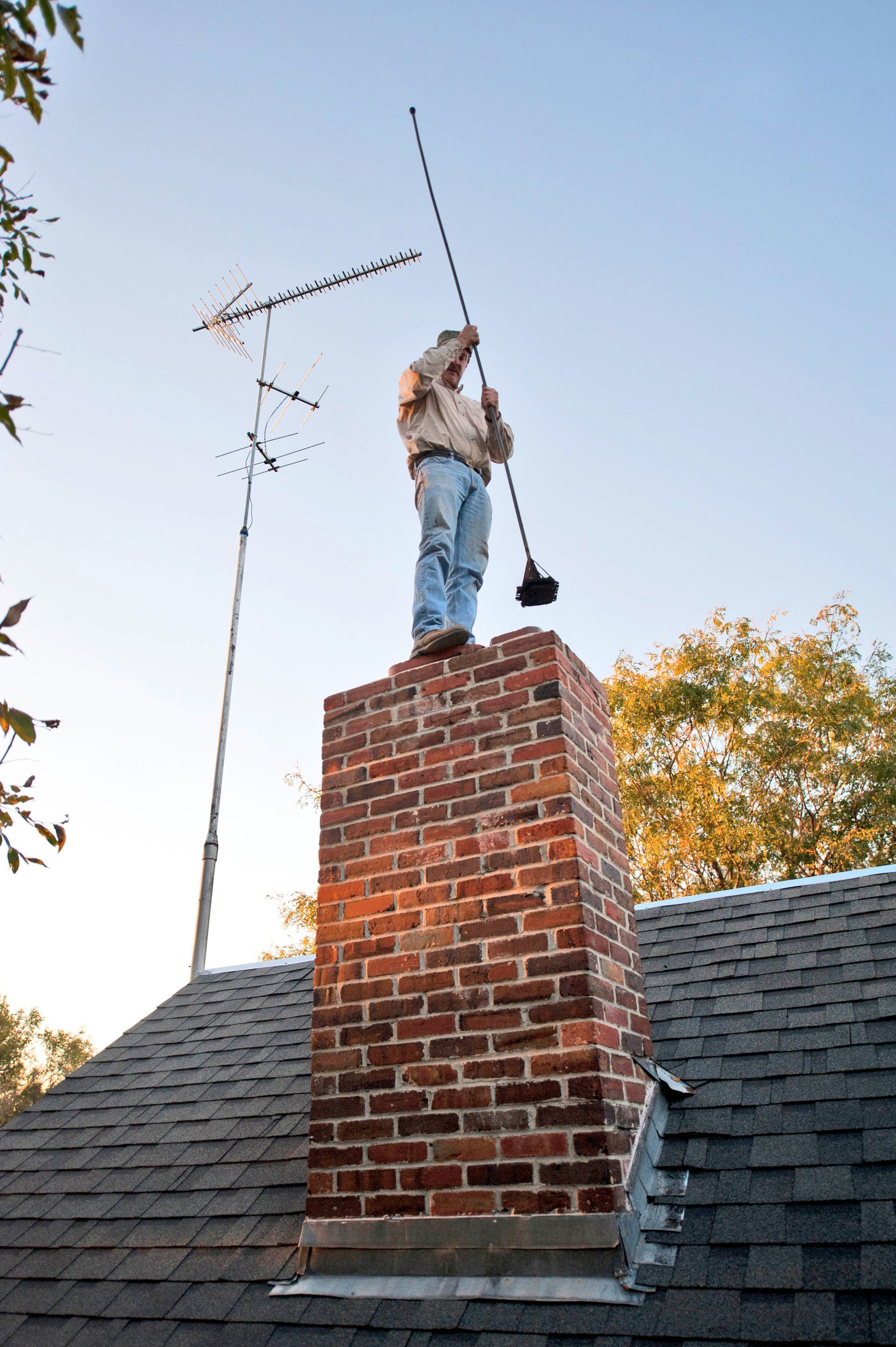
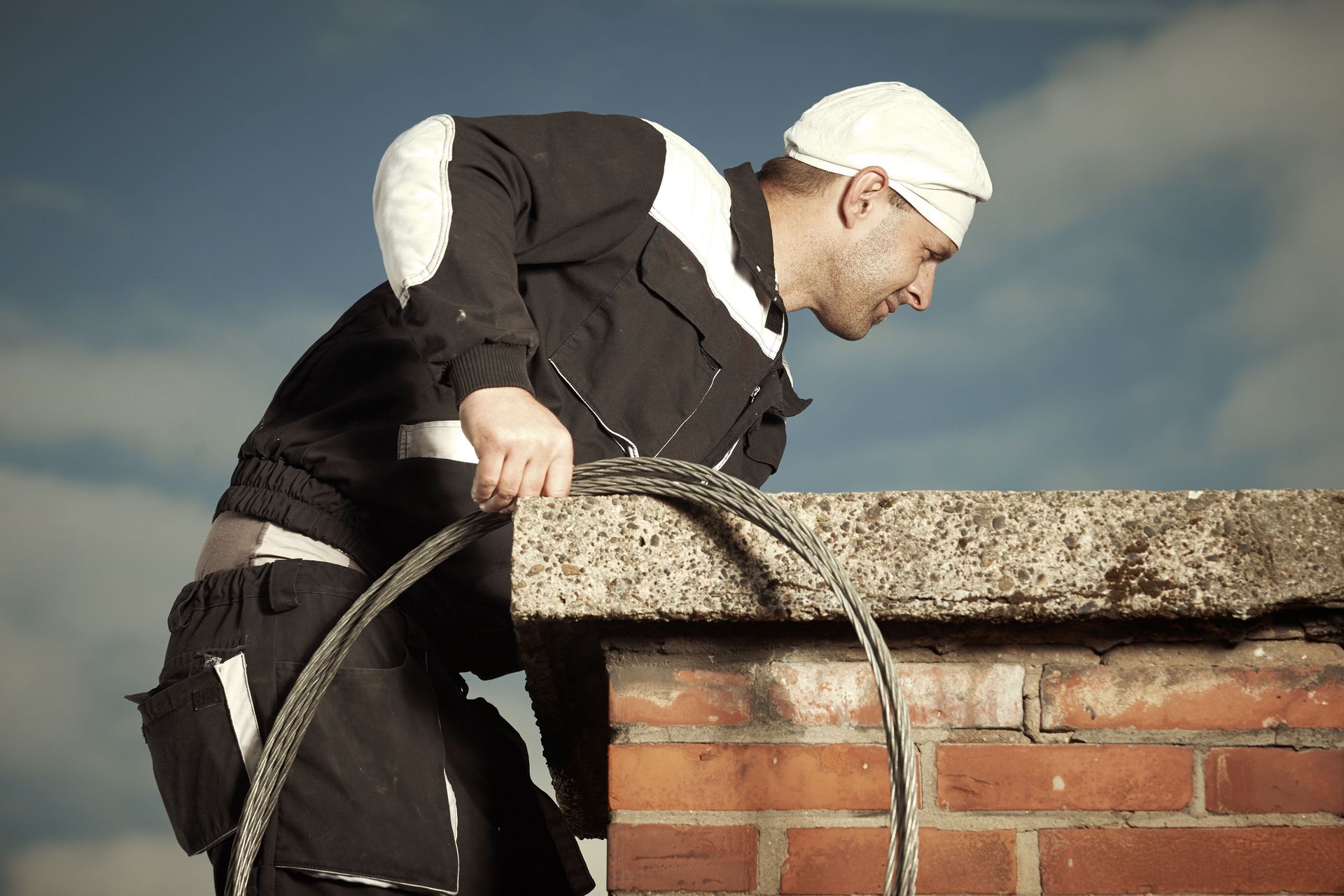
A professional chimney cleaner uses brushes, vacuums, and sometimes rotary equipment to thoroughly remove deposits without damaging the flue. This process not only lowers fire risk but also improves draft efficiency, helping fires burn cleaner and more evenly.
Burning the Right Materials
What you burn in your fireplace has a direct impact on chimney safety. Seasoned hardwoods that have been dried for at least six to twelve months burn hotter and cleaner than green or soft woods. Wet or unseasoned wood produces more smoke, which leads to faster creosote buildup.
Avoid burning trash, cardboard, treated lumber, or glossy paper. These materials release chemicals and residues that coat chimney walls and increase fire hazards. Even artificial logs should be used sparingly and according to manufacturer guidelines.
Homeowners who adopt better burning habits reduce strain on their chimney system and extend the time between cleanings. While good fuel choices don't eliminate the need for professional service, they support the work of your chimney cleaner by keeping buildup under control.
Maintaining Proper Airflow and Ventilation
Airflow is often overlooked, yet it's critical for safe fireplace operation. Poor ventilation causes smoke to linger, increasing heat and residue inside the flue. This can happen when dampers are partially closed, chimneys are blocked, or homes are tightly sealed for energy efficiency.
Before lighting a fire, always make sure the damper is fully open. Installing a chimney cap helps prevent debris, animals, and moisture from entering the flue. In some homes, especially newer constructions, additional air supply solutions may be necessary to maintain proper draft.
During routine service, a chimney cleaner can identify airflow issues and recommend solutions such as caps, liners, or minor structural repairs that significantly reduce fire risk.
Recognizing Warning Signs Before a Fire Starts
Chimney fires aren't always dramatic events with flames shooting from the top. Some start slowly and go unnoticed until damage is severe. Learning to recognize early warning signs can prompt timely service.
Common indicators include strong, smoky odors even when the fireplace isn't in use, excessive smoke during fires, or a loud cracking or popping sound from the chimney. Visible creosote flakes in the firebox or dark, oily residue on the damper are also red flags.
If you notice any of these signs, stop using the fireplace and schedule service immediately. A professional chimney cleaner can assess whether the issue is minor buildup or a more serious structural concern requiring repair.
Chimney liners act as a protective barrier between high heat and the surrounding structure of your home. Over time, liners can crack, corrode, or deteriorate due to heat, moisture, and creosote exposure. A damaged liner significantly increases the risk of fire spreading beyond the chimney.
Regular inspections evaluate liner condition and identify when repairs or relining are necessary. Masonry chimneys also require attention to bricks, mortar joints, and flashing. Small gaps can allow heat or sparks to reach combustible framing.
A knowledgeable chimney cleaner doesn't just clean; they assess the entire system and recommend solutions that keep your chimney structurally sound and fire-safe.
Choosing the Right Professional for Your Home
Not all chimney services are equal, and choosing the right provider matters. Look for companies that prioritize safety, education, and thorough inspections, not just quick cleanings. Experience with residential systems and familiarity with local building conditions are also important.
Ask about inspection processes, certifications, and what's included in a standard service visit. A reputable chimney cleaner will take time to explain findings, show you problem areas, and offer clear recommendations without pressure.
Building a long-term relationship with a trusted professional helps ensure consistent care and peace of mind every time you light a fire.
Making Chimney Fire Prevention a Household Habit
Preventing chimney fires isn't about a single action; it's about consistency. Regular inspections, mindful burning, seasonal preparation, and professional service all work together to protect your home. When these practices become routine, the risk of chimney fires drops dramatically.
Educate everyone in the household about safe fireplace use, especially during peak winter months. Keep emergency plans updated, install smoke and carbon monoxide detectors nearby, and never ignore unusual smells or sounds.
If your home needs chimney sweeping services, reach out to Chimney USA Inc today for expert, professional support to ensure your fireplace can remain a safe, enjoyable feature of your home for years to come.