May 9, 2026
Maintaining a fireplace requires more than a stack of wood and a match. Homeowners often overlook the complex anatomy of their venting systems until a visible issue arises. However, the integrity of these structures is paramount for the safety of the household and the longevity of the property. Professional chimney repair services provide the technical expertise necessary to address structural vulnerabilities and internal obstructions that might otherwise lead to catastrophic failures. It is the responsibility of the property owner to ensure that these systems remain in peak condition to avoid hazardous situations. By understanding the common ailments that plague masonry and metal flues, residents can better appreciate the value of consistent maintenance and expert intervention.
Identify Structural Vulnerabilities
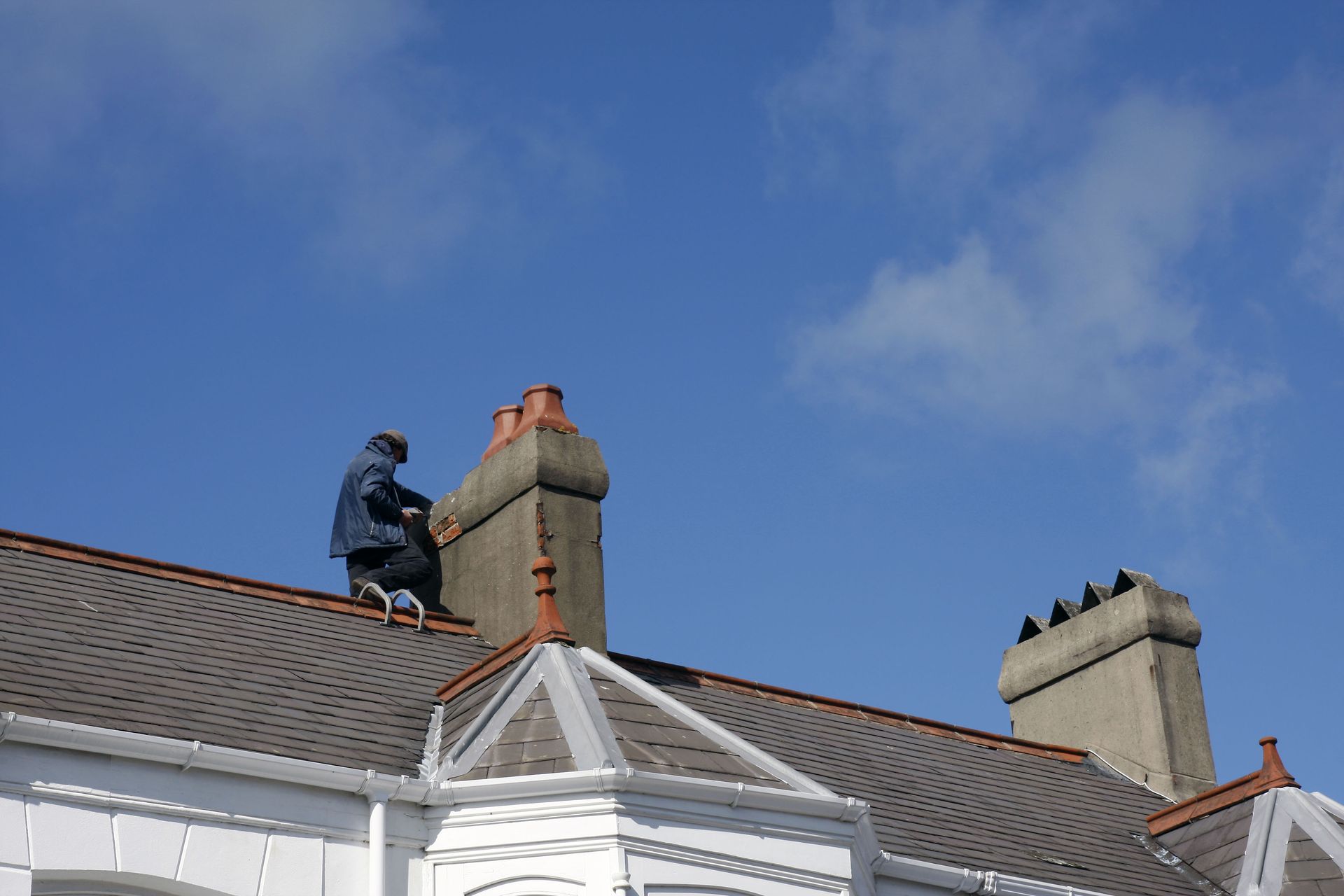
Masonry structures are resilient but not invincible. Over years of exposure to rain, snow, and fluctuating temperatures, the mortar between bricks begins to deteriorate. This process, often accelerated by the freeze-thaw cycle, leads to gaps that allow moisture to penetrate the interior of the stack. Water ingress is the primary enemy of any venting system, as it causes internal rusting of dampers and the slow erosion of the firebox. When these gaps appear, it is essential to seek professional chimney repair services to perform tuckpointing.
This specialized process involves removing the damaged mortar and replacing it with fresh material, effectively restoring the structural strength and water resistance of the exterior. Beyond the bricks themselves, the foundation of the hearth must be inspected for settling. A leaning stack is a clear indicator that the ground beneath has shifted or that the internal support has failed. Addressing these issues early prevents the entire structure from collapsing, which would necessitate a much more expensive reconstruction process.
Remove Dangerous Obstructions
The internal passage of a flue must remain clear to allow smoke and toxic gases to exit the home safely. Unfortunately, various factors can lead to blockages that pose significant health risks. Debris such as leaves, twigs, and bird nests frequently find their way into uncapped flues. Even more concerning is the accumulation of byproducts from wood combustion. According to This Old House, creosote buildup can cause chimney fires reaching temperatures of up to 2,000°F, enough to crack masonry liners and ignite the surrounding wood framing.
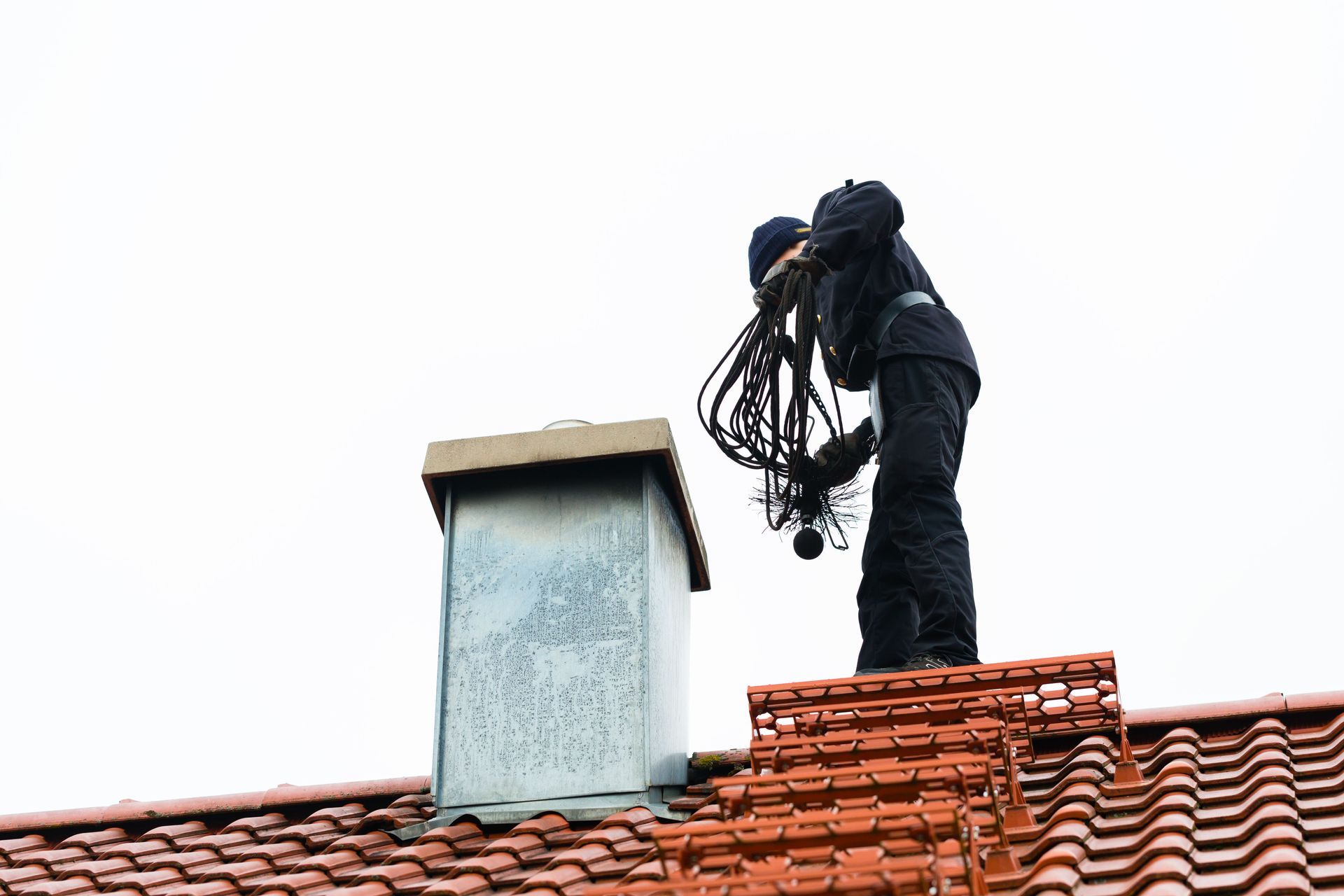
Regular cleanings conducted by chimney repair services ensure that these flammable deposits are stripped away before they reach a critical mass. Creosote comes in various forms, ranging from a flaky soot to a thick, tar-like glaze. The glazed variety is particularly dangerous because it is highly concentrated and difficult to remove without specialized chemical treatments and mechanical tools. Keeping the airway clear ensures that the draft remains strong and that the fire burns cleanly without backing up into the room.
Resolve Damper Malfunctions
A damper serves as the throat of the fireplace, controlling the flow of air and preventing conditioned indoor air from escaping when the hearth is not in use. When a damper becomes rusted or warped, it may fail to open fully or seal tightly. A stuck damper prevents smoke from rising, forcing carbon monoxide back into the living space. Technicians specializing in chimney repair services can often restore these components by removing rust and applying high-temperature lubricants.
In cases where the original hardware is beyond salvation, professionals might recommend a top-sealing damper, which provides a superior airtight seal at the very peak of the flue. This modern solution is often more effective than traditional throat dampers because it creates a thermal break at the top of the stack, keeping the entire flue warmer and reducing the downdrafts that bring cold air and smells into the house.
Seal External Water Leaks
Water damage often manifests in ways that seem unrelated to the roof. Peeling wallpaper, damp spots on the ceiling, or a persistent musty odor near the hearth are classic signs of a leaking flue. The culprit is frequently the flashing — the metal stripping that creates a seal between the chimney stack and the roofline. If the flashing is lifted or corroded, water will flow directly into the attic and down the sides of the masonry.
Comprehensive chimney repair services include the inspection and resealing of these metal transitions. Using industrial-grade sealants and proper layering techniques, experts can redirect water away from the structure and prevent expensive mold growth or wood rot in the home framing. Furthermore, applying a breathable water repellent to the exterior bricks can prevent the masonry from absorbing water like a sponge, which is the leading cause of spalling, where the faces of the bricks begin to pop off and crumble.
Restore Internal Liners
The flue liner is a critical safety barrier that protects the combustible walls of the home from intense heat. Older homes often feature clay tile liners that can crack or shift over time due to settling or past chimney fires. Even small fissures in a liner can allow heat to transfer to nearby wooden studs, creating a silent fire hazard. Modern chimney repair services typically involve the installation of stainless steel liners.
These durable inserts are designed to withstand extreme thermal expansion and provide a smooth, seamless path for exhaust. This upgrade not only enhances safety but also improves the draft, making the fireplace more efficient and easier to light. A smooth liner reduces the surface area where soot and creosote can attach, making future cleanings much more effective and less frequent.
Repair Damaged Crowns
The very top of the chimney is capped with a masonry slab known as the crown. Its purpose is to shed water away from the flue and the exterior bricks. Because it is directly exposed to the elements, the crown is often the first part of the system to crack. Once a crack forms, water seeps into the chimney body, leading to the rapid decay of the bricks below. Skilled chimney repair services utilize waterproof membranes and specialized masonry compounds to seal these cracks or rebuild the crown entirely with a proper overhang.
A well-maintained crown acts as an umbrella for the entire structure, preventing a cascade of secondary issues within the masonry. Without a solid crown, the flue tiles are exposed to rain, which can lead to the deterioration of the mortar joints inside the stack. Proper crown maintenance is perhaps the most cost-effective way to extend the life of the entire chimney system.
- Routine Inspection: Catching small cracks before they become structural gaps.
- Creosote Management: Preventing the ignition of highly flammable deposits.
- Waterproofing: Protecting the porous bricks from water absorption and decay.
- Hardware Efficiency: Ensuring the damper and cap function as intended.
- Draft Improvement: Optimizing the airflow for a cleaner, warmer fire.
Maintaining a fireplace is a continuous responsibility that requires a keen eye and a proactive approach. From the smallest mortar joint to the highest point of the crown, every component plays a role in keeping the home warm and secure. By investing in chimney repair services, homeowners protect their property from the dual threats of fire and water damage. These interventions ensure that the hearth remains a source of comfort rather than a source of anxiety. If you notice signs of wear, such as crumbling brick or a lingering smoky smell, do not wait for a minor issue to become a major emergency. Reach out to our experts at Chimney USA Inc for a thorough inspection and professional restoration.