May 27, 2026
Chimney fires are one of the most serious hazards homeowners can face during the colder months. While fireplaces and wood-burning stoves provide warmth and comfort, they also create conditions where dangerous creosote buildup and structural issues can lead to devastating fires. Many homeowners underestimate how quickly small maintenance problems can turn into major safety risks. Preventing chimney fires requires regular inspections, proper burning practices, and professional care from an experienced chimney service provider. Understanding the causes of chimney fires and taking proactive steps can protect your home, improve heating efficiency, and give your family peace of mind throughout the year.
Understand What Causes Chimney Fires
The most common culprit of chimney fires is creosote, a highly flammable substance that forms when wood smoke cools and sticks to chimney walls. Over time, layers of creosote accumulate and can ignite from high temperatures or stray sparks. Poor ventilation, damaged flue liners, and burning improper materials also increase fire risks. A professional chimney service can identify these hazards before they become dangerous. Homeowners who understand the root causes of chimney fires are far more likely to take the necessary precautions that keep their fireplaces operating safely and efficiently throughout the heating season.
Schedule Annual Chimney Inspections
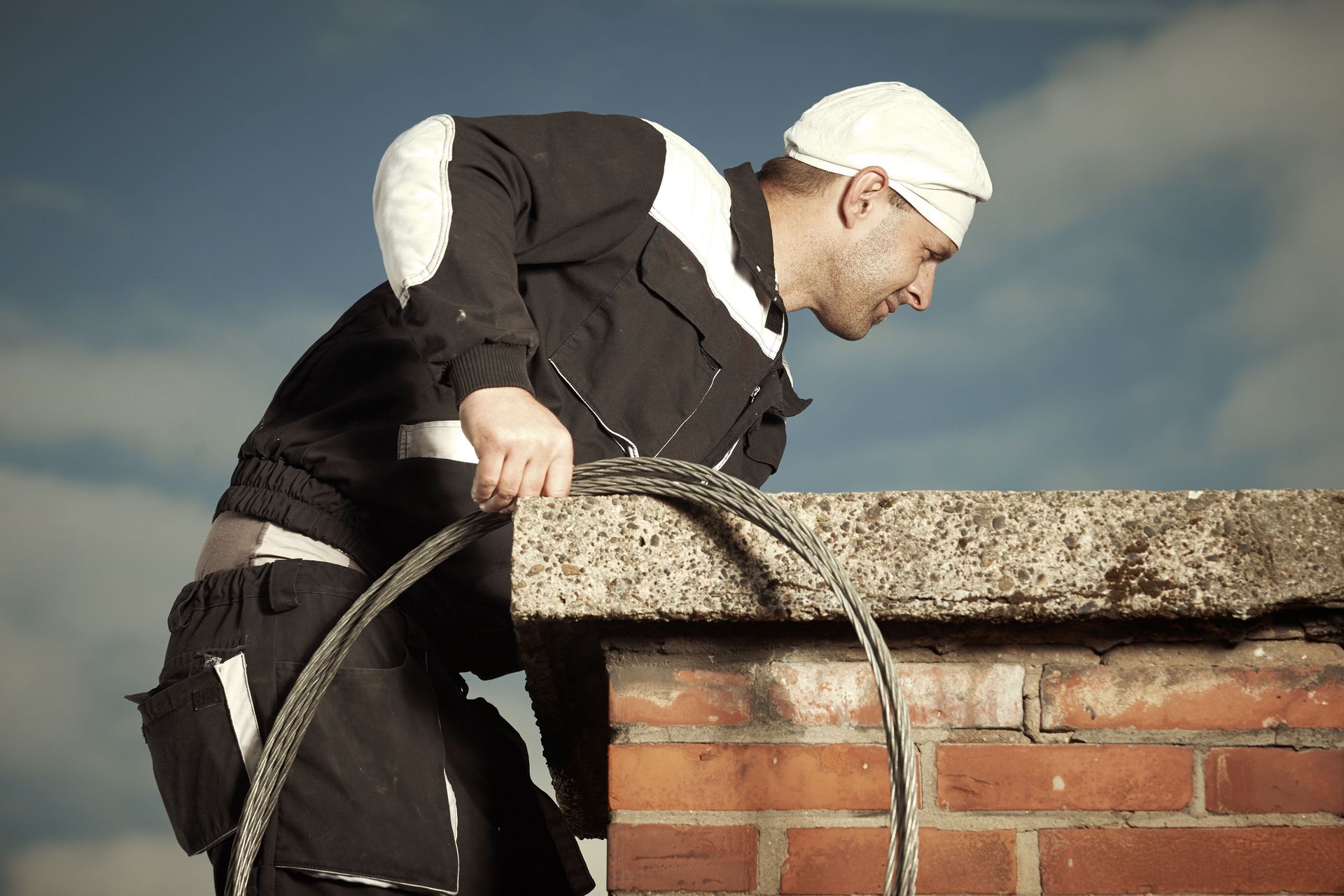
Annual inspections are one of the most effective ways to prevent chimney fires. Professional technicians can examine the entire chimney system for creosote buildup, cracks, obstructions, and moisture damage. Small problems often go unnoticed until they become serious threats to the home. An experienced chimney service uses specialized equipment to inspect areas homeowners cannot safely access themselves. These inspections also ensure that the chimney complies with current safety standards and functions properly. By scheduling yearly inspections before heavy fireplace use begins, homeowners can catch problems early, reduce fire risks, and avoid costly repairs that may arise from neglected chimney maintenance.
Keep Creosote Buildup Under Control
Creosote accumulation is one of the leading causes of chimney fires, making regular cleaning essential for fireplace safety. As wood burns, smoke releases particles that cling to the chimney lining and gradually harden into thick deposits. Even a small spark can ignite heavy creosote buildup, creating intense flames inside the chimney. A trusted chimney service can professionally remove dangerous residue using proper cleaning methods and tools. Routine cleaning not only lowers fire risks but also improves airflow and fireplace performance. Homeowners who stay proactive about creosote removal help ensure their heating systems remain safe, efficient, and dependable during colder months.
Burn Only Seasoned Hardwood
The type of wood burned in a fireplace significantly impacts chimney safety. Seasoned hardwood burns cleaner and produces less smoke than wet or unseasoned wood. Damp wood generates excessive smoke, which contributes to faster creosote buildup inside the chimney. Hardwoods such as oak, maple, and ash are ideal because they burn hotter and more efficiently. A professional chimney service may recommend the best burning practices based on your specific fireplace system. Avoid burning trash, cardboard, treated wood, or other materials that release harmful chemicals and increase residue accumulation. Choosing the right firewood is a simple yet important step toward reducing chimney fire risks and improving indoor comfort.
Ensure Proper Fireplace Ventilation
Proper ventilation plays a critical role in preventing chimney fires. A fireplace needs sufficient airflow to allow smoke and gases to exit the home safely. Restricted airflow can cause smoke backup, poor combustion, and increased creosote accumulation. Blockages from animal nests, leaves, or debris often interfere with ventilation and create dangerous conditions. A qualified chimney service can inspect the chimney cap, flue, and venting system to ensure everything remains clear and functional. Maintaining proper airflow not only improves fireplace performance but also reduces the likelihood of overheating inside the chimney. Good ventilation helps homeowners enjoy a safer and more efficient heating experience year-round.
Install a Chimney Cap
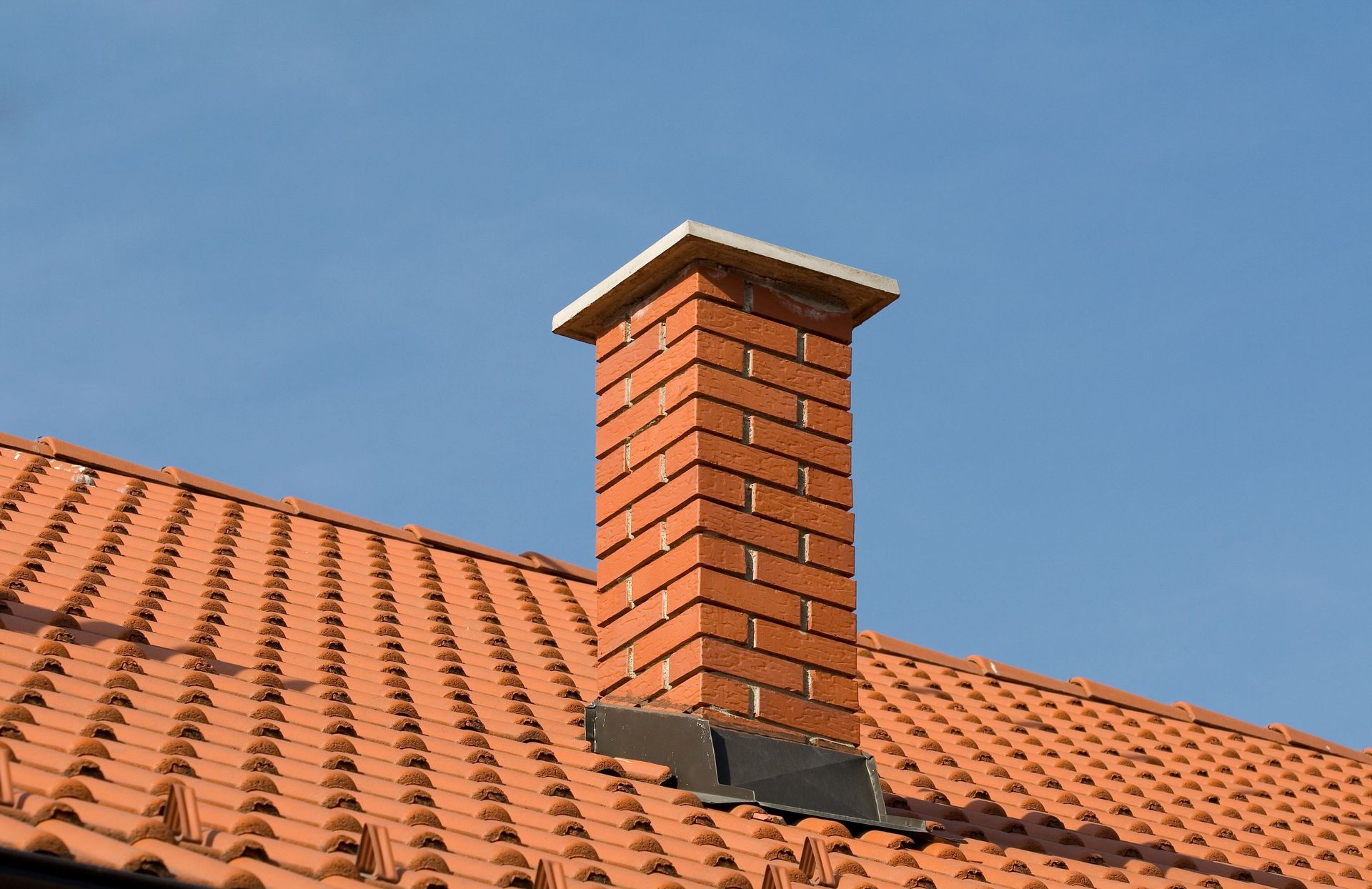
A chimney cap provides an important layer of protection against many common fire hazards. Installed at the top of the chimney, it helps prevent rain, debris, and animals from entering the flue. Moisture inside the chimney can damage masonry and contribute to structural deterioration, while leaves and nesting materials increase fire risks. Birds and rodents can also create dangerous blockages that interfere with airflow. A reliable chimney service can recommend and install the right chimney cap for your home’s needs. By protecting the chimney opening from outside elements, homeowners can reduce maintenance issues and improve overall chimney safety throughout every season.
Repair Damaged Chimney Liners Promptly
The chimney liner serves as a protective barrier between heat, smoke, and the surrounding structure of the home. Cracked or damaged liners allow excessive heat and sparks to escape into nearby combustible materials, increasing the likelihood of a fire. Over time, moisture, heat exposure, and creosote buildup can weaken chimney liners and compromise their effectiveness. A professional chimney service can inspect liners for signs of wear and recommend timely repairs or replacements when necessary. Addressing liner damage promptly is essential for maintaining fireplace safety and preventing dangerous heat transfer that could ignite surrounding walls, ceilings, or roofing materials.
Avoid Overloading the Fireplace
Burning excessively large fires can overheat the chimney system and increase the risk of a chimney fire. Overloading the fireplace with too much wood creates higher temperatures that may ignite accumulated creosote inside the flue. In fact, according to Cleveland 19 News, ensure the flue damper is completely open before lighting a fire to prevent a chimney fire. Smaller, controlled fires are safer and more efficient for maintaining comfortable indoor temperatures. A knowledgeable chimney service can explain safe fireplace operating practices that minimize fire hazards while maximizing heating performance. Homeowners should also avoid using accelerants such as gasoline or lighter fluid to start fires, as these substances can produce sudden, dangerous flare-ups. Responsible fire management is essential for long-term fireplace safety.
Watch for Warning Signs of Chimney Problems
Recognizing early warning signs can help homeowners prevent serious chimney fires before they occur. Strong smoky odors, dark stains on chimney walls, poor fireplace draft, or unusual noises coming from the chimney may indicate dangerous buildup or structural damage. Excessive smoke inside the home is another sign that the chimney system may not be functioning correctly. A trusted chimney service can investigate these symptoms and identify the source of the problem before it worsens. Ignoring warning signs often leads to larger repairs and increased fire risks. Staying alert to unusual fireplace behavior helps homeowners maintain a safer living environment.
Protect the Chimney From Moisture Damage
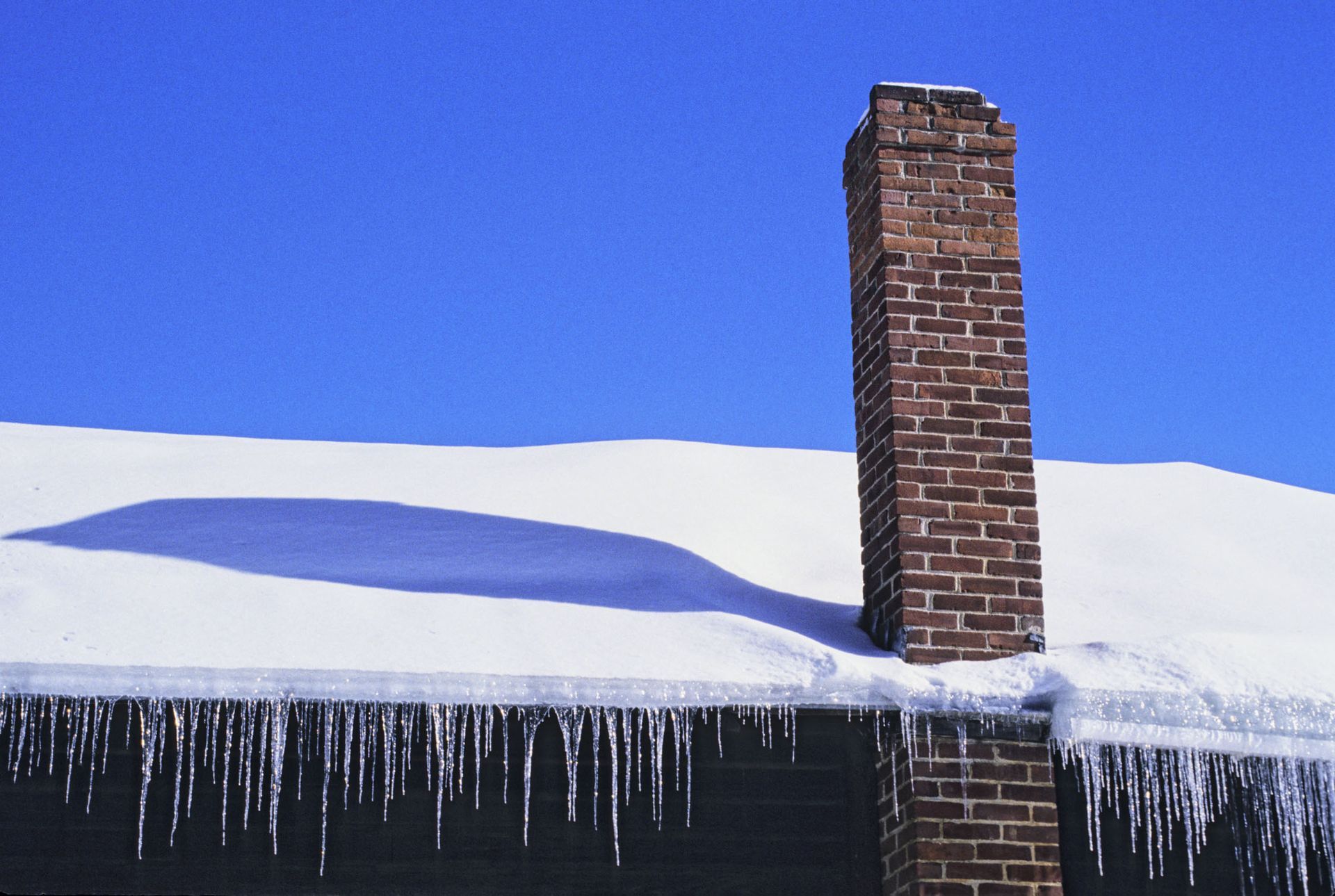
Moisture is one of the most damaging elements affecting chimney systems. Water infiltration can weaken masonry, rust metal components, and create cracks that allow heat and smoke to escape. Freeze-thaw cycles during winter can further expand existing damage and compromise the chimney’s structural integrity. Waterproofing treatments, flashing repairs, and proper chimney caps help reduce moisture intrusion and extend the life of the chimney. A professional chimney service can assess vulnerable areas and recommend solutions that protect against water-related deterioration. Maintaining a dry chimney system is essential for preserving fireplace safety, preventing structural damage, and reducing long-term repair expenses.
Use Professional Maintenance Services Regularly
Routine professional maintenance is one of the best investments homeowners can make in fireplace safety. Experienced technicians understand how to identify hidden problems that may not be visible during casual inspections. From cleaning and repairs to full system evaluations, regular maintenance helps ensure the chimney operates safely and efficiently. A dependable chimney service provides the expertise needed to keep fireplaces functioning properly while minimizing fire hazards. Professional care also extends the lifespan of chimney components and helps homeowners avoid expensive emergency repairs. Consistent maintenance supports long-term home protection and provides confidence every time the fireplace is used.
Preventing chimney fires requires a combination of regular maintenance, safe burning habits, and professional oversight. Working with a professional chimney service helps homeowners identify risks early, maintain proper system performance, and reduce the likelihood of devastating fires. Contact our team at Chimney USA Inc today!