March 17, 2026
The importance of chimney cleaning is often overlooked until something goes wrong. Regular maintenance not only ensures safety but also improves the efficiency of your fireplace. In this article, we explore several reasons why your chimney might need a thorough cleaning. Many homeowners forget to schedule their annual chimney inspections, leading to unexpected complications down the road. Understanding the intricacies of chimney care will empower you to keep your home safe and warm throughout the year. Working with a qualified chimney cleaner can help homeowners stay ahead of maintenance issues before they become costly problems.
1. Creosote Buildup
One of the primary reasons your chimney might require cleaning is creosote buildup. Creosote is a byproduct formed when wood is burned in your fireplace or stove. When wood burns, it releases smoke and vapors that cool and condense along the interior walls of the chimney, forming creosote. According to safety standards, chimneys should be cleaned when there’s a minimum of 1/8-inch of deposit in the chimney. Ignoring creosote can lead to serious hazards including chimney fires, which account for significant home damage annually.
In addition to the fire hazards, creosote poses a health risk. The substance is not only flammable but also can emit noxious odors and toxic gases. Breathing in these particulates can be harmful, especially to individuals with respiratory conditions. It's pertinent to minimize the exposure of these emissions within your household. A proactive approach to managing creosote can mitigate these risks.
Another concern is the impact on the airflow through your chimney. Creosote deposits can narrow the flue, reducing its capacity to vent smoke efficiently. This restriction can cause smoke to accumulate in the living area, leading to unpleasant odors and possibly triggering smoke detectors. Factors such as burning unseasoned wood can exacerbate creosote buildup. Routine service from a chimney cleaner helps remove these deposits and restore proper ventilation.
2. Blocked Chimney Flue
The flue within your chimney can become blocked for several reasons, necessitating attention and cleaning. Common causes of blockages include debris, nests from animals, or an excessive buildup of soot and creosote. As mentioned earlier, cleaning should occur when deposits reach 1/8-inch thick, as these accumulations can contribute to blockages. A blocked flue can result in dangerous situations, including the backflow of smoke and harmful gases into your home.
One significant effect of a blocked chimney flue is compromised ventilation. The chimney's function is to efficiently vent harmful byproducts out of your home. When it's blocked, these toxins can enter the living spaces, posing health threats to those inside. Proper airflow is essential for maintaining indoor air quality and eliminating potentially dangerous scenarios such as carbon monoxide poisoning. Regular inspections by a chimney cleaner can help detect obstructions early.
Detecting a blocked flue requires vigilance and often a professional assessment. Signs of blockage include poor fireplace performance, smoke entering the house, and unusual noises from within the chimney. By investing in regular inspections, you can reduce the likelihood of long-term damage and costly repairs. Preventive maintenance, such as installing caps or screens, can help protect the flue from common causes of blockages.
3. Animal Nests
Chimneys often attract various wildlife looking for shelter, particularly in colder months. Birds, squirrels, and raccoons are common chimney dwellers. These animals can construct nests that severely impede the functioning of your chimney. Not only do these act as physical obstructions, but they also pose fire risks. Additionally, if animals die inside the chimney, the resulting decomposition can cause significant odor and air quality issues.
The presence of animals in your chimney doesn't only create obstructions; it also poses numerous other risks. For instance, some animals may carry diseases communicable to humans, while others might become agitated and attempt to enter living areas when disturbed. These scenarios not only put your health at risk but can also cause damage to your home interior. Further, animal infestations can make it challenging to properly conduct fireplace operations.
Removing animal nests requires a delicate and informed approach. Professional assistance is often required, adhering to local laws and ethical considerations. Some animals are protected by law, necessitating safe and humane removal techniques. A chimney cleaner can remove nesting materials safely and recommend installing a chimney cap to prevent animals from entering again.
4. Structural Damage
The structural integrity of your chimney is critical for safe operation, and regular inspections can reveal issues requiring cleaning or repair. Over time, exposure to the elements can cause bricks and mortar to deteriorate, leading to gaps and cracks. These structural issues can allow moisture infiltration, further deteriorating the chimney's condition. Professional chimney sweeps can identify and address these structural concerns, thereby preventing more complicated repairs down the line.
Several indicators can suggest structural issues with your chimney. Cracks in the exterior bricks, leaning of the chimney, and mortar joint damage are signs of wear and tear. Prompt attention to these issues can prevent costly emergency repairs and ensure the continued safety of your fireplace system. Routine evaluations performed by a chimney cleaner often uncover hidden damage that homeowners may overlook.
While some repairs can be considered routine, others might require emergency intervention. Understanding the difference is crucial to maintaining chimney health. Routine repairs can be scheduled and budgeted for, whereas emergency repairs often come at a higher cost and with little warning. Many homeowners find that regular inspections provide peace of mind and financial savings in the long run.
5. Increased Soot Accumulation
The accumulation of soot is another factor indicating a need for chimney cleaning. Soot, a byproduct of combustion, can build up over time, restricting airflow and impairing chimney function. Various factors, including the type of wood burned and the efficiency of ventilation, can influence how quickly soot accumulates. Excessive soot can significantly degrade air quality in your home, posing a health risk to its inhabitants.
Soot isn't just dirty and unpleasant; it's potentially hazardous. Particles from soot contain carcinogens that, when inhaled, can pose respiratory risks. Maintaining clean chimney walls can ensure that excess soot doesn't become a health concern. Employing effective cleaning techniques and tools can effectively manage soot levels in the chimney.
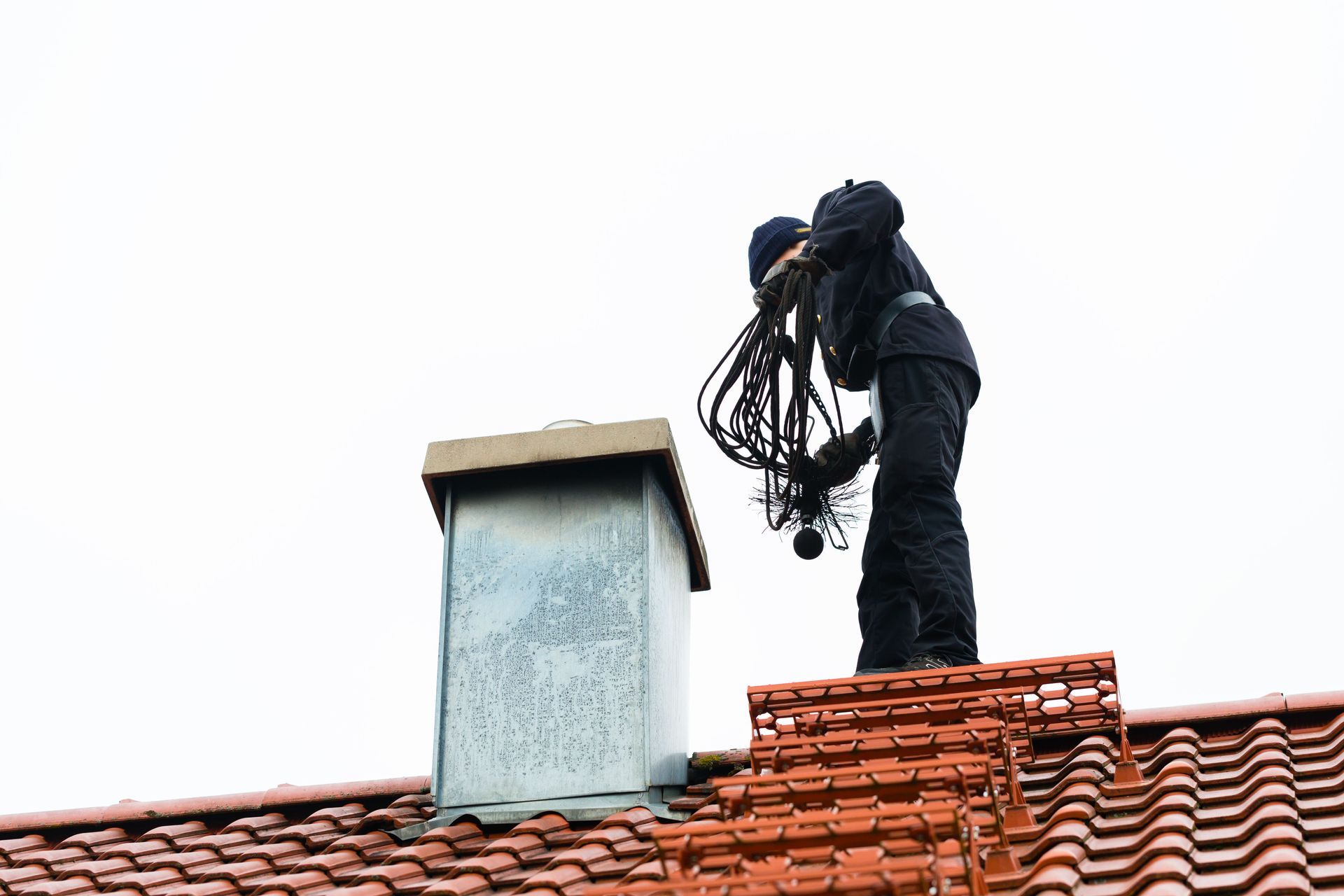
Professional maintenance helps remove soot deposits before they interfere with chimney performance. When handled by an experienced chimney cleaner, specialized brushes and equipment can thoroughly clean the flue without damaging the interior liner. Consistent maintenance keeps the heating system functioning efficiently while protecting indoor air quality.
6. Unusual Odors Emanating From Chimney
Unusual odors coming from your chimney can be both unpleasant and indicative of a problem. Various sources contribute to chimney odors, including creosote buildup, animal habitation, and moisture accumulation. These odors can permeate your home, affecting overall air quality and comfort. Identifying the source of these odors is the first step toward addressing and eliminating them.
If persistent odors are left untreated, they can lead to increased discomfort and potential health issues. Odors can often indicate underlying problems, such as excessive creosote or dampness, that require immediate attention. Furthermore, addressing the root cause of chimney odors can prevent them from contributing to structural damage. A professional chimney cleaner can identify the source and recommend the appropriate corrective solution.
Regular chimney maintenance is crucial for a safe and efficient home. By understanding these key indicators of a chimney in need of cleaning, homeowners can take proactive steps to protect their investment and ensure a warm, safe environment. Don’t wait for a problem to arise; check your chimney today. Being vigilant and informed about potential issues can prevent severe damage and costly repairs. Contact Chimney USA Inc today and get connected with our chimney cleaning services.