January 19, 2026
Creosote buildup in chimneys is an often-overlooked but extremely dangerous issue that many homeowners face. This tar-like substance is produced when wood or other materials are burned in stoves or fireplaces. As these materials burn, the gases released rise up the chimney and condense, forming creosote on the chimney walls. Over time, the accumulation of this substance can become dangerous, leading to potentially catastrophic consequences if left unchecked.
According to Bob Vila, there are over 25,000 chimney fires each year in the U.S., and creosote buildup is a leading cause of these fires. In this article, we will delve into the hidden dangers of creosote buildup, its causes, the risks it presents, and why it is critical to hire a professional chimney contractor to maintain your chimney.
The Risk of Chimney Fires
The most immediate and dangerous risk of creosote buildup is the potential for a chimney fire. Creosote is highly flammable, and when it builds up within the chimney, it creates a fire hazard that can ignite from the heat of a burning fire or even from the friction caused by air and gases within the chimney. According to Bob Vila, there are over 25,000 chimney fires in the U.S. every year, many of which are caused by excessive creosote buildup. These fires can spread quickly and are often difficult to control, resulting in extensive damage to your chimney, roof, and surrounding areas. In the worst cases, the fire can spread throughout the home, causing a total loss.
Chimney fires can often go unnoticed for a period of time, as they typically begin in the flue, out of sight. However, the damage caused by these fires can be devastating. The intense heat of a chimney fire can crack or warp the chimney flue, causing lasting damage. Furthermore, the fire can weaken the structure of the chimney, which can eventually lead to its collapse. This creates a serious risk of the fire spreading to the rest of the house, putting everyone in the building in grave danger.
Health Hazards from Creosote Buildup
While chimney fires are the most obvious danger, creosote buildup can also pose significant health risks. As the creosote accumulates, it can obstruct the airflow in the chimney, which in turn can trap harmful gases, such as carbon monoxide, inside the home. Carbon monoxide is a colorless, odorless gas that is highly toxic. When inhaled, it can lead to symptoms such as dizziness, headaches, nausea, confusion, and, in severe cases, even death. Poorly ventilated chimneys allow these dangerous gases to leak back into living areas, putting anyone inside at risk of carbon monoxide poisoning.
The risks of carbon monoxide exposure are not limited to fires. Prolonged exposure to creosote and the particles released during a fire can also aggravate respiratory conditions. People with asthma, lung disease, or other pre-existing health conditions may find their symptoms exacerbated by the particles in the air. Children and the elderly are particularly vulnerable to these health effects, which can lead to severe complications if left untreated.
Blocked Chimney and Reduced Efficiency
Another significant danger of creosote buildup is the obstruction of your chimney. As creosote accumulates, it can narrow the chimney's flue, reducing the passage of smoke and gases. This blockage can make it more difficult for smoke to escape, forcing it to flow back into the living areas of the home. In extreme cases, a completely blocked flue can occur, which can lead to dangerous smoke backdrafts that infiltrate your home, making it hazardous to breathe in your own living space.
A blocked chimney also severely reduces the efficiency of your fireplace or stove. Since the chimney is not able to expel smoke and gases properly, you may notice that your fire does not burn as well, and it may take longer to heat up your home. In order to compensate, you may burn more wood or fuel, leading to increased costs and further contributing to creosote buildup. A clogged chimney will ultimately lower the effectiveness of your heating system and require you to burn more fuel for the same amount of warmth, driving up heating bills.
The Impact on Homeowners' Finances
The cost of dealing with the dangers of creosote buildup can be high. Ignoring the problem and allowing it to progress unchecked can result in serious damage to the chimney, roof, and even the home's interior. Repairs after a chimney fire or smoke damage can cost thousands of dollars. Additionally, if a chimney becomes blocked, it will likely require professional cleaning, which can be an expensive process. In some cases, chimney repairs after a fire can require the replacement of the entire chimney, leading to even higher costs.
Moreover, the decrease in heating efficiency caused by a blocked chimney or excessive creosote buildup can lead to higher energy bills. As your fireplace or stove becomes less effective, you may find yourself using more fuel to generate the same amount of heat. This increases the financial burden on homeowners, who could otherwise avoid these extra costs with proper maintenance.
Prevention and Maintenance
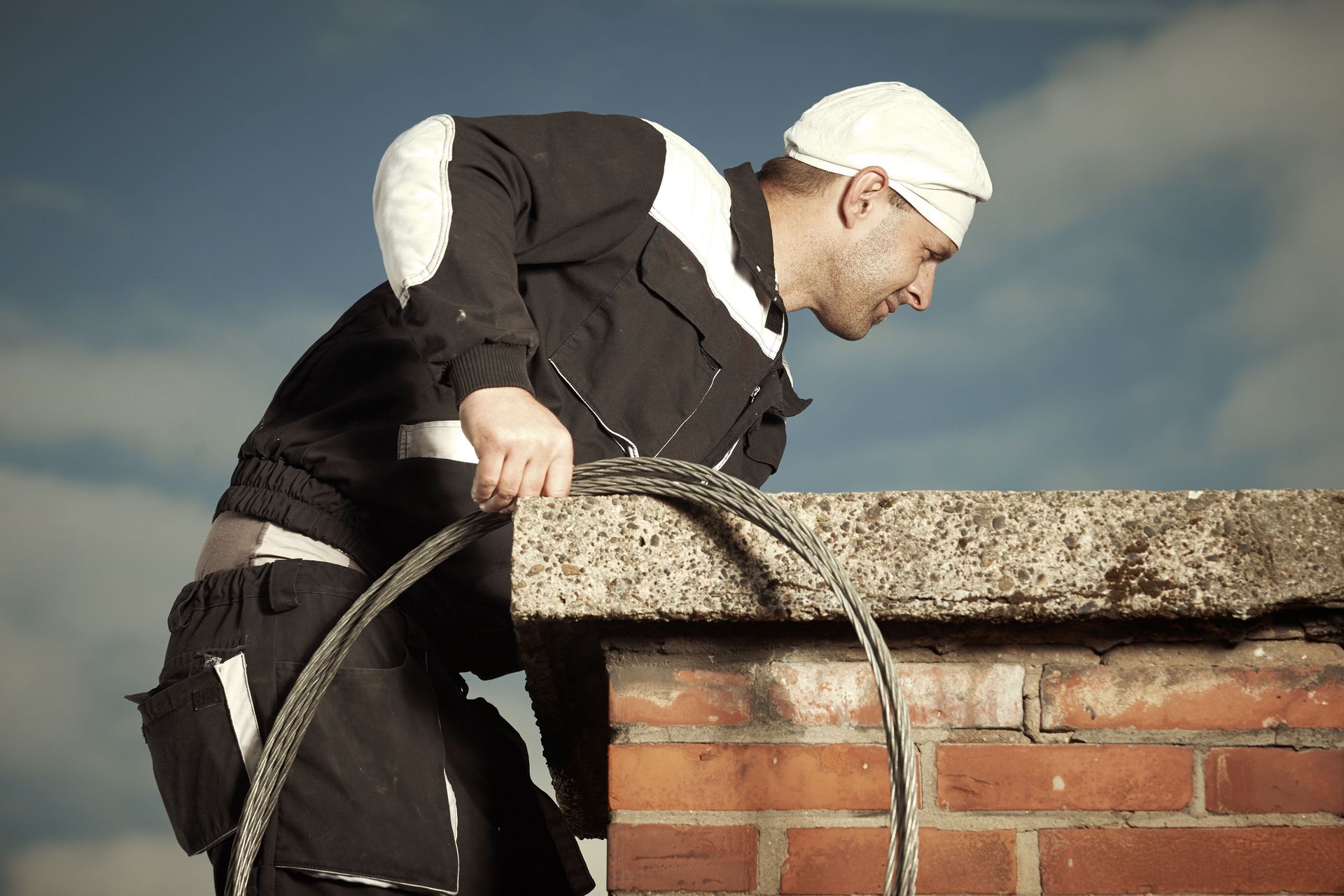
Preventing creosote buildup and mitigating the dangers it presents is relatively simple with regular maintenance. One of the best ways to avoid creosote accumulation is to have your chimney professionally cleaned and inspected by a chimney contractor. Chimney professionals can assess the level of creosote buildup and remove it safely, ensuring that your chimney is in good working order. A routine cleaning is essential, as it can eliminate dangerous levels of creosote before it becomes a fire hazard.
In addition to cleaning, there are several things you can do as a homeowner to reduce the likelihood of creosote buildup and reduce the risk of a chimney fire:
- Burn Dry, Seasoned Wood: Wet or green wood burns inefficiently, producing more smoke and creating a greater amount of creosote. Always use dry, seasoned wood to reduce the formation of creosote.
- Maintain a Hot Fire: A hotter fire helps to burn wood more completely and reduces the amount of smoke that rises up the chimney, thus limiting creosote production. Avoid burning slow, smoldering fires, as these tend to generate more creosote.
- Avoid Burning Trash or Treated Wood: Burning materials such as cardboard, plastic, or treated wood can create harmful chemical reactions, increasing the amount of creosote and potentially releasing toxins into your home. Stick to burning only wood that is meant for fire use.
- Install a Chimney Cap: A chimney cap can prevent debris, rain, and animals from entering the chimney. It also helps to improve the efficiency of your fire by maintaining higher combustion temperatures that reduce creosote formation.
Creosote buildup in chimneys is a dangerous and often overlooked issue that can lead to devastating consequences, including chimney fires, health hazards, and decreased heating efficiency. The risks associated with this buildup can be avoided with proper chimney maintenance and regular inspections by a professional chimney contractor. By understanding the dangers of creosote and taking preventive measures, you can protect your home and family from potentially devastating consequences. Regular chimney inspections and cleanings, along with proper burning practices, are essential to ensuring the safety of your home.
If you haven't had your chimney inspected recently, contact Chimney USA Inc today. Don't wait until it's too late—protect your home and loved ones from the dangers of creosote buildup!