January 14, 2026
Understanding how weather affects your chimney is essential for maintaining its safety and performance over time. Constant exposure to rain, wind, heat, and temperature fluctuations can gradually weaken chimney materials and compromise structural integrity. This overview highlights common weather-related challenges and explains how they impact chimneys, along with practical prevention strategies. Working with a professional chimney service helps ensure these issues are addressed early, protecting your investment and extending the life of your chimney.
The Impact of Rain on Chimneys
Rainwater can easily seep into a chimney's masonry surfaces, accelerating wear and deterioration over time. As brick and mortar absorb moisture, they gradually weaken, increasing the risk of structural damage. Capillary action allows water to travel deeper into the chimney, eroding internal materials and compromising overall stability. A professional chimney service can perform regular inspections and maintenance to identify water intrusion early and apply preventative solutions that protect the chimney's integrity.
Chimneys rely heavily on the strength of their mortar joints to maintain structural stability. Rainwater can wash away or erode the mortar, leaving joints vulnerable to cracking and separation. Once the mortar is compromised, the entire structure is at risk, as bricks may loosen without proper bonding. Over time, this damage can lead to significant structural issues that can be expensive to repair. Regular repointing and sealing are necessary steps to prevent and mitigate this damage.
Waterproofing is an essential preventative measure to protect chimneys from rain damage. Applying a breathable waterproofing agent allows moisture to escape while preventing water from entering the masonry. This treatment is highly effective in extending the life of the chimney's materials and reducing maintenance costs. Given that there are an estimated 17.5 million fireplaces in the United States, according to the Environmental Protection Agency, maintaining these structures is an important concern for many homeowners. Therefore, they should consider professional waterproofing services, ensuring that the right products are used for optimal protection.
Freeze and Thaw Cycles
The freeze and thaw cycle presents a serious risk to chimney structures, especially in climates with fluctuating temperatures. When moisture penetrates masonry and freezes, the expansion of ice places pressure on bricks and mortar, leading to cracks and fractures. As temperatures rise and fall, this repeated process accelerates deterioration and weakens the chimney over time. A professional chimney service can identify early signs of freeze-thaw damage and recommend preventative measures or repairs to protect the chimney's long-term stability.
Cracks resulting from freeze and thaw cycles are common issues in chimneys located in colder climates. These cracks allow further water penetration, perpetuating the cycle of damage. Structural integrity becomes a significant concern when these cracks enlarge, leading to the potential collapse of portions of the chimney. Addressing minor cracks promptly can prevent extensive damage and costly repairs.
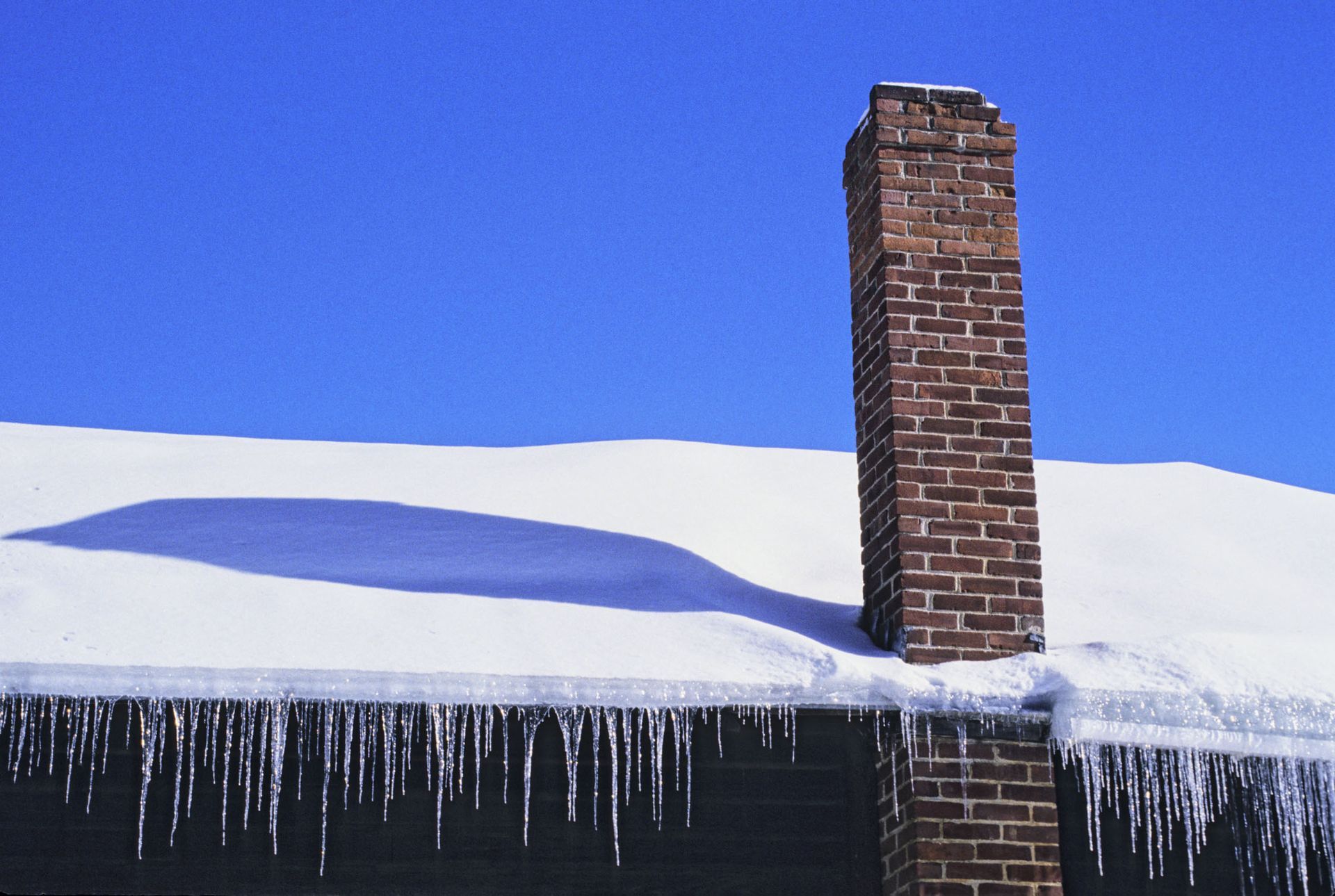
Preventative measures for freeze damage focus on minimizing water infiltration and maintaining structural integrity. Using sealants to fill existing cracks can prevent water from entering masonry surfaces. Additionally, removing snow and ice from around the chimney reduces water exposure during melting periods. Proactive maintenance, coupled with the installation of quality chimney caps and crowns, can significantly reduce the risk of freeze damage. These combined efforts support the long-term resilience of chimney structures.
Effects of High Temperatures
High temperatures can cause warping in metal components of chimneys, affecting their functionality. Metal chimney liners, caps, and supports can expand during periods of extreme heat, impacting alignment and structure. Over time, excessive heat exposure can lead to permanent warping, necessitating replacement of affected parts. Regular inspection for signs of metal distortion can inform necessary maintenance actions.
Chimney liners play a critical role in safely directing heat and combustion gases out of the home, but prolonged high temperatures can compromise their integrity. Over time, liners may crack or lose their protective coating, increasing the risk of heat and gases escaping into surrounding materials. As liners degrade, the potential for fire hazards and structural damage rises significantly. A professional chimney service can perform regular inspections and recommend relining or upgraded materials designed to withstand high temperatures and maintain safe operation.
Brick chimneys are susceptible to thermal stress, which can result in cracking and spalling. The expansion and contraction of bricks due to temperature fluctuations can weaken the structure over time. Visible cracks may form, allowing moisture ingress and further exacerbating damage. Monitoring known hot spots, or areas prone to temperature extremes, can help guide timely interventions. Addressing thermal stress through consistent inspections and repairs is vital to maintaining chimney longevity.
Wind and Storm Damage
High winds can place significant stress on a chimney's structure, increasing the risk of displacement or damage. Strong gusts can strain joints and mortar, leading to cracks or loose masonry over time. Chimneys that are not properly anchored or supported are especially vulnerable during severe weather events. A professional chimney service can assess structural stability and recommend reinforcements, such as braces or ties, to improve resistance against wind-related damage.
During storms, flying debris can impact chimneys, causing surface abrasion and physical damage. This can chip bricks and disrupt mortar joints, compromising the chimney's exterior. Abraded surfaces are more susceptible to water infiltration, leading to further deterioration. Regular cleaning and inspection can identify areas of concern and facilitate timely repairs.
Reinforcement strategies are vital for preparing chimneys to withstand storm conditions. Strengthening the base with a solid foundation and using weather-resistant materials can improve resilience. Installing anchor systems and flexible flashings can also help secure the chimney during turbulent weather. Proactive measures, such as these, significantly reduce the risk of catastrophic chimney failure.
The Role of Humidity
Humidity levels can significantly influence the moisture content within masonry, directly affecting chimney longevity and performance. Prolonged exposure to high humidity can saturate materials, leading to structural weakening and an increased risk of damage over time. Moisture trapped within the chimney can also encourage mold and mildew growth, which may create indoor air quality concerns. Scheduling regular inspections with a professional chimney service helps identify moisture issues early and ensures proper maintenance to protect the chimney's durability.
High humidity creates an ideal environment for mold and mildew growth within chimneys. These organisms can reside in dark, damp crevices, exacerbating structural decay. Mold not only damages masonry but also releases spores that can affect indoor air quality. Regular cleaning and the use of antifungal treatments can alleviate this issue. Controlling indoor humidity through dehumidifiers and proper ventilation is essential in preventing mold colonization.
Ventilation solutions play a crucial role in managing the adverse effects of humidity on chimneys. Proper airflow prevents moisture build-up, reducing the likelihood of mildew formation and material weakening. Installing chimney fans, vents, and louvers can facilitate consistent air exchange. These solutions are particularly effective in areas known for high humidity levels. Encouraging good air circulation helps maintain chimney health and prevents excessive moisture-related damage.
Regular maintenance and proactive measures are essential to protect your chimney from weather-related damage, and a professional chimney service can help identify risks early. By understanding how different weather conditions affect your chimney, homeowners can take steps to extend its lifespan while maintaining safety and performance. A reliable chimney service can implement solutions such as waterproofing, proper insulation, and improved ventilation to reduce long-term weather impact. When you need to protect your chimney from the elements, contact Chimney USA Inc to help you keep your home warm and comfortable.