September 5, 2026
Older homes often come with a charm and character that is unmatched, but they also come with their own set of maintenance challenges, particularly when it comes to chimneys. As these chimneys have withstood decades of time, severe weather elements, and shifting soil, they are prone to specific structural issues that, if left unchecked, can lead to severe property damage. Utilizing professional chimney repair services on a regular basis not only preserves the historical integrity of a historic property, but also ensures its ongoing safety and heating functionality. With proper care, timely interventions, and consistent maintenance routines, homeowners can enjoy the aesthetic and practical benefits of a functional fireplace while successfully preventing costly future structural repairs.
Preventing Structural Deterioration
The impact of harsh weather on chimneys in older homes is significant over the years. Unforgiving conditions, including heavy rain, freezing snow, continuous freeze-thaw cycles, and high winds, can steadily weaken the masonry, causing deep stress fractures and severe brick erosion. According to HomeGuide, a properly maintained chimney can last 50 to over 100 years, making it a long-term home investment. Regular inspections and timely chimney repair services ensure that minor masonry deterioration is corrected before it threatens the complete structural integrity of the chimney stack, shielding your home from catastrophic failure or unexpected collapse.
Beyond external atmospheric damage, thermal expansion and contraction represent another major challenge for aging masonry structures. As the fireplace is used throughout the colder months, the rapid shift between freezing outdoor air and high internal operating temperatures causes materials to continually expand and contract. Over time, this constant mechanical movement breaks down the binder in traditional mortar joints, compromises load-bearing capacity, and dislodges bricks. Securing loose bricks, restoring worn chimney caps, and rebuilding damaged crowns are critical maintenance steps that seal out destructive moisture, reinforce weak points, and ensure the entire assembly remains completely stable year after year.
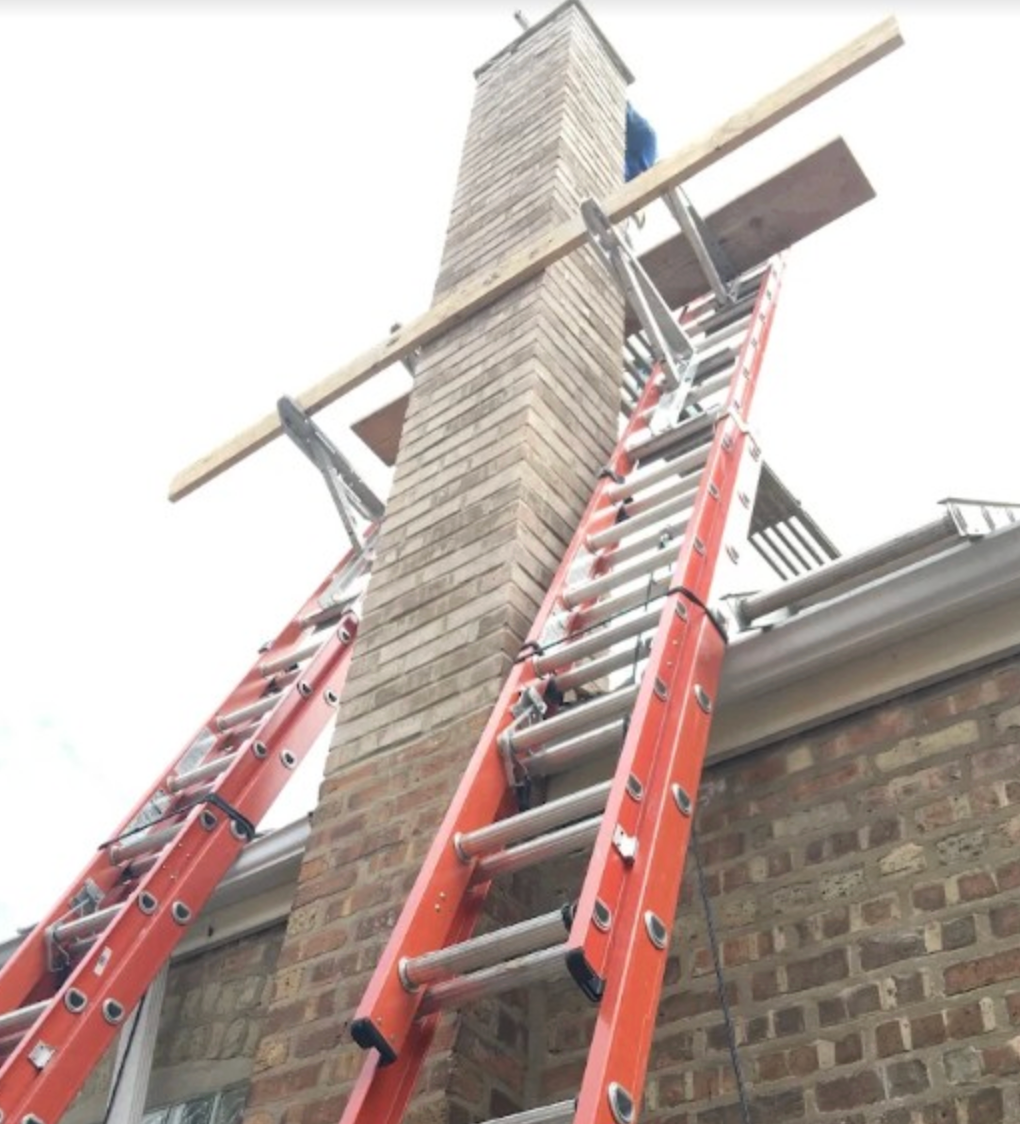
When left unaddressed, masonry degradation can also cause structural leaning, where the entire chimney stack begins to pull away from the home's exterior wall framing. This separation creates huge structural gaps that expose the internal framing of your house to ambient humidity, wood rot, and invasive pest activity. Through precise masonry repointing, tuckpointing, and structural bracing, chimney repair specialists can restore the physical bonding between bricks and prevent the entire assembly from collapsing inward or outward, guaranteeing long-term safety for everyone in the residence.
Enhancing Fire Safety
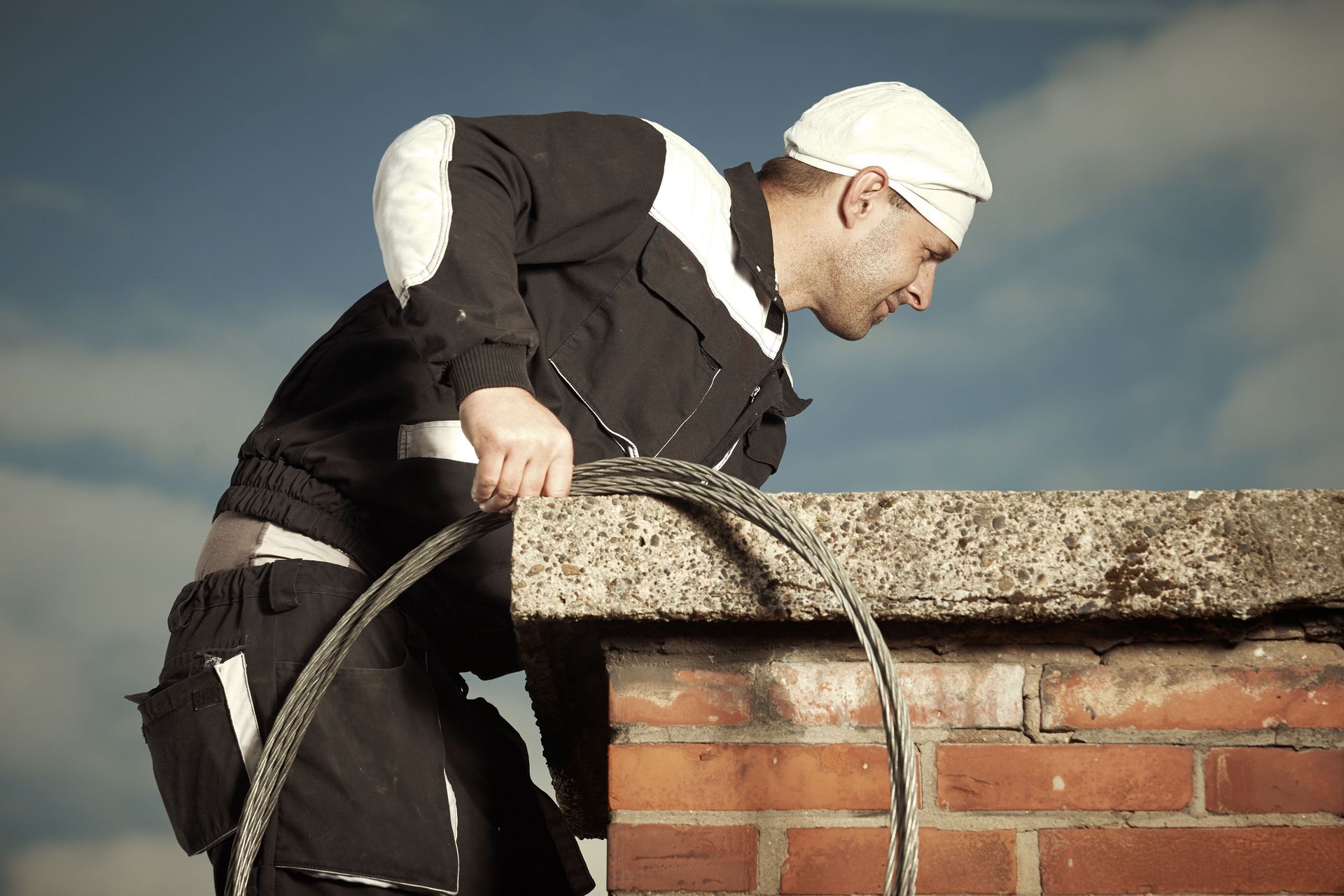
Creosote buildup in older chimneys poses a massive fire hazard to the entire home. Burning wood naturally produces creosote, a highly flammable tar-like byproduct that coats the interior lining of the chimney flue over time. Without periodic sweeping and specialized chimney repair services, this combustible material thickens into a dense glaze that can easily ignite, leading to intense chimney fires that reach damaging temperatures in excess of 2,000 degrees Fahrenheit. Routine professional cleanings and detailed safety inspections effectively remove these hazardous deposits, ensuring your fireplace operates safely throughout the winter season without endangering your property.
In addition to clearing creosote, identifying and repairing damaged flue liners is crucial for ongoing fire safety. Age, moisture, and corrosive combustion gases can cause traditional clay liners to crack, spall, or break apart entirely over extended usage. When a liner is compromised, extreme heat and dangerous gases like carbon monoxide can migrate into adjacent combustible walls, attics, and living areas. Upgrading or relining your flue with modern, heat-resistant stainless steel protects your home's structural framing from pyrolytic heat transfer and guarantees that toxic exhaust is cleanly expelled outside.
Upgrading outdated or degraded chimney features also plays a major role in modern fire prevention standards. Vintage chimneys often lack proper clearances from original wooden ceiling joists, framing studs, and roof decking, which makes them susceptible to heat transfer fires. Professional technicians can install insulation barriers, thermal heat shields, and updated spark arrestors that align vintage structures with modern building codes. Resolving these thermal vulnerabilities gives homeowners peace of mind while enjoying cozy fires during cold weather.
Avoiding Moisture Damage
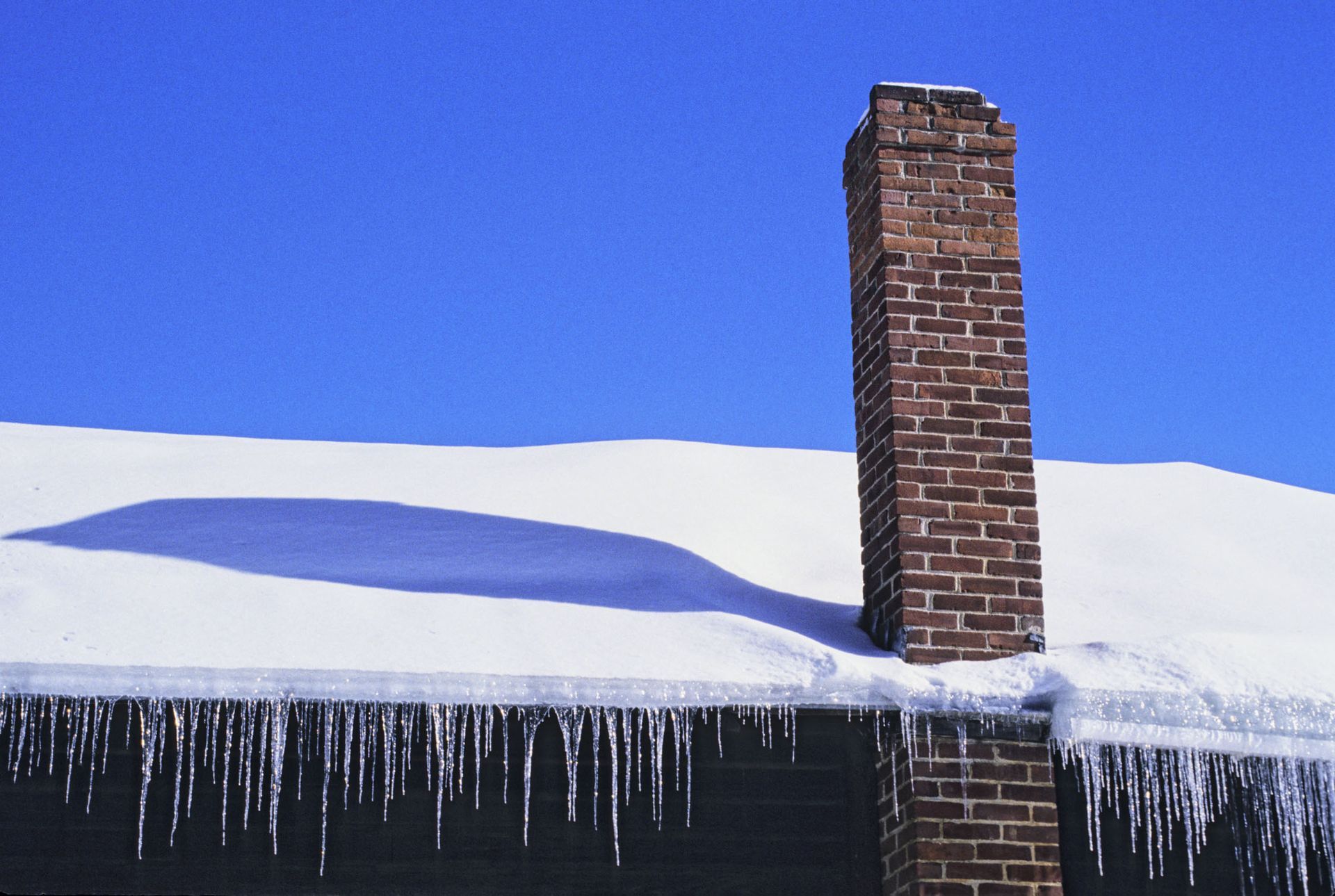
Moisture intrusion is one of the most destructive forces facing older chimney systems. Rain, melting snow, and ice can seep into microscopic cracks in the exterior masonry, causing mortar joints to wash away and bricks to crumble from the inside out. Furthermore, compromised or improperly installed flashing at the roofline allows water to pool, damaging internal structural framing, attic insulation, drywalls, and ceilings. Seeking expert chimney repair services at the first sign of a leak ensures that water entry points are sealed with durable waterproof coatings and modern flashing materials before widespread property damage occurs.
Continuous water ingress can also foster hidden mold, mildew, and rotting conditions within walls adjacent to the chimney stack. Once dampness settles inside enclosed wall cavities, toxic mold spores can reproduce rapidly, compromising indoor air quality and putting sensitive family members at risk for respiratory issues. Timely sealing and flashing repairs cut off the source of moisture, drying out the interior structure and keeping hazardous mold growth entirely out of your living environment.
Eliminating Pest Infestations
An uncapped or structurally damaged chimney provides an easy entry point for nuisance wildlife such as birds, squirrels, raccoons, and bats seeking shelter. Animals often build nests inside dark chimney flues, which creates dense physical blockages that trap smoke and toxic carbon monoxide gases within the home. Furthermore, nesting materials consist of dried twigs, leaves, and fur, which are highly flammable and dramatically increase the risk of a dangerous flue fire during fireplace operation.
Animals living within the chimney flue also introduce severe health hazards, foul odors, and parasites like fleas, ticks, and mites into the residence. Biological waste left behind by nesting wildlife can decay over time, causing terrible smells to spread through the home whenever the fireplace damper is opened. Professional chimney technicians can clean out animal waste, sanitize the flue interior, and safely remove trapped animals before long-term health risks impact your family.
Installing heavy-duty stainless steel chimney caps with integrated mesh screens keeps animal invaders out while allowing exhaust gases and smoke to vent freely. These protective covers also act as spark arrestors, keeping embers from escaping onto nearby roof shingles or dry tree branches. Securing the top of your chimney flue ensures your home stays free of wild animals and unwanted pest infestations year-round.
Improving Home Energy Efficiency
Older chimney systems frequently suffer from warped, rusted, or missing dampers, allowing conditioned indoor air to escape day and night continuously. During the winter, a leaking damper acts like an open window, letting warm air leak out through the roof and pulling cold air drafts down into living spaces. This forces your primary HVAC system to work overtime to regulate temperatures, causing a sharp increase in monthly fuel and electrical consumption.
Outdated flue designs and deteriorated brickwork can also alter natural air draft patterns, leading to poor fireplace performance and smoky indoor conditions. When air volume cannot flow freely up the flue due to physical obstructions or structural degradation, fireplaces burn wood inefficiently, consuming fuel faster without delivering adequate warmth to the room. Repairing flue liners, adjusting throat dampers, and sealing air leaks restores proper draft physics for maximum heating comfort.
Taking care of an older chimney requires diligence, but the long-term rewards far outweigh the effort. By staying proactive with routine maintenance, addressing minor structural flaws early, and investing in modern safety upgrades, you safeguard both your family and your property's historic charm. Timely repairs prevent costly emergency overhauls and ensure that your fireplace remains a warm, reliable focal point for decades to come. For more information about the services that we offer, reach out to our incredible team at Chimney USA Inc today!