November 4, 2026
A fireplace can provide warmth, comfort, and an inviting focal point for a home, but it also requires regular care to remain safe and dependable. Soot, creosote, and other debris can accumulate inside the fireplace and chimney, potentially affecting performance and increasing fire risks. Understanding the importance of routine maintenance helps homeowners protect their property and extend the life of their hearth. Professional fireplace cleaning also allows trained technicians to identify developing problems before they become expensive repairs.
Understanding the Importance of Regular Fireplace Maintenance
Wood-burning fireplaces produce smoke, ash, and combustion byproducts that can accumulate with repeated use. Creosote, a flammable substance formed when wood smoke cools and condenses inside the chimney, is a particular concern. If enough creosote builds up, it can ignite and cause a chimney fire.
Regular maintenance helps remove these deposits and keeps the fireplace and chimney functioning as intended. A professional inspection can also reveal cracked masonry, damaged chimney components, obstructed flues, or other conditions that may compromise safety.
Even fireplaces used only occasionally need attention. Debris, animal nests, and moisture-related deterioration can develop between burning seasons. Scheduling maintenance before periods of frequent use gives homeowners an opportunity to address these concerns before lighting the first fire of the season.
Professional fireplace cleaning also helps maintain proper airflow by removing obstructions and accumulated residue that may interfere with smoke ventilation. Addressing these issues early can reduce avoidable wear, support efficient operation, and help homeowners feel more confident when using their fireplaces. Consistent care also makes it easier to identify developing problems before they require more extensive repairs.
Recognizing the Signs of a Dirty or Damaged Fireplace
Some fireplace problems are easy to overlook because they develop gradually. Paying attention to changes in performance and appearance can help homeowners determine when professional attention is needed.
Common warning signs include:
- Strong smoky or tar-like odors coming from the fireplace, particularly when it is not in use.
- Smoke is entering the living area instead of traveling up the chimney.
- Thick, dark deposits or flaky buildup inside the firebox or visible chimney areas.
- Soot is accumulating around the fireplace opening.
- Difficulty starting or maintaining a fire despite using properly seasoned wood.
- Crumbling mortar, damaged bricks, or visible moisture stains near the chimney.
These symptoms do not always indicate the same problem, so a professional assessment can help identify the underlying cause. For example, a poor draft may result from a blockage, inadequate airflow, or a chimney design issue rather than creosote alone.
Homeowners should avoid using a fireplace if smoke repeatedly enters the room or if they suspect a chimney fire or serious structural damage. A qualified professional can evaluate the condition and recommend appropriate repairs or maintenance.
Understanding What Professional Fireplace Cleaning Involves
Professional fireplace cleaning involves more than removing loose ash from the firebox. Depending on the type of fireplace and the results of an inspection, technicians may clean accessible areas, remove soot and creosote deposits, and check components that affect safe operation.
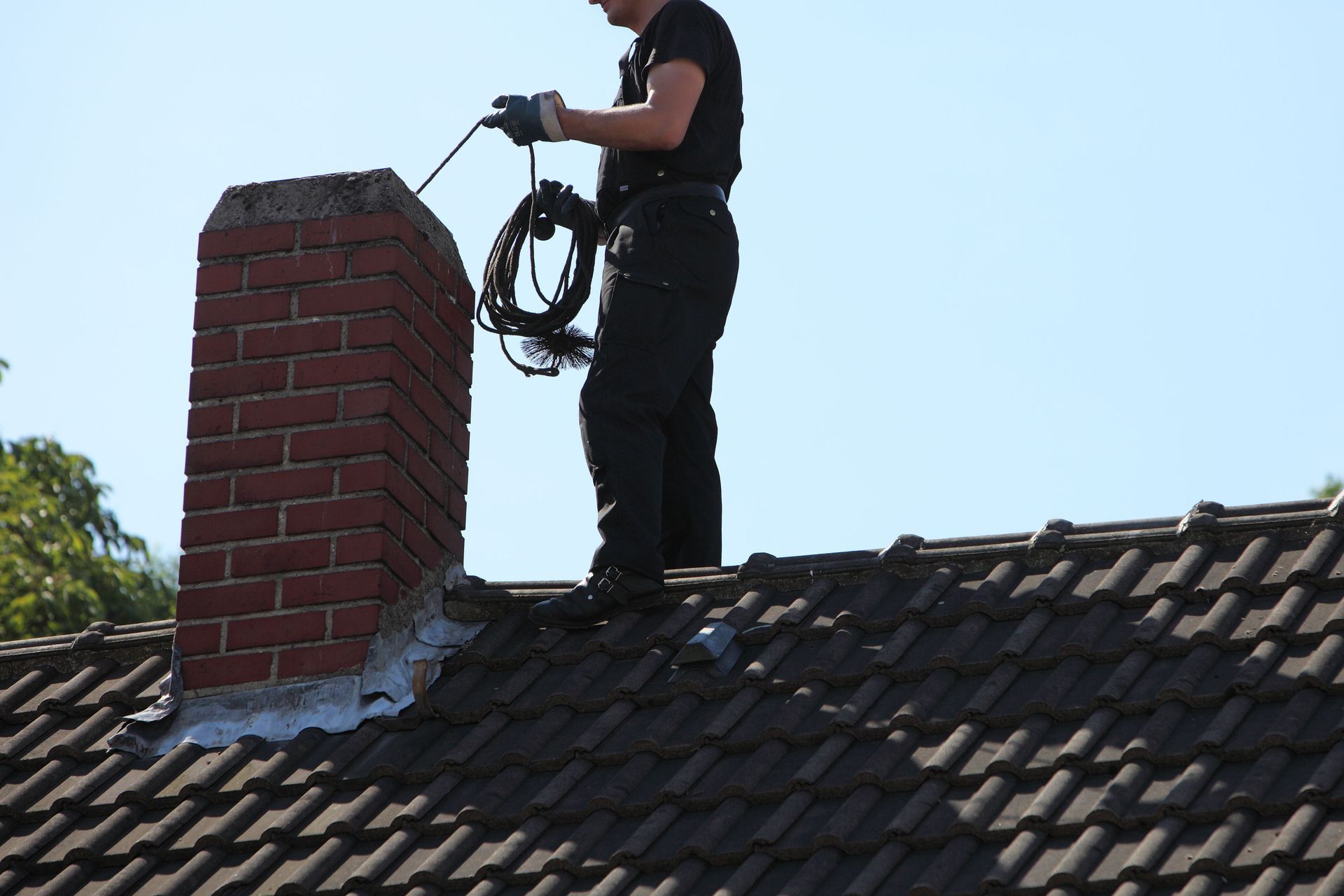
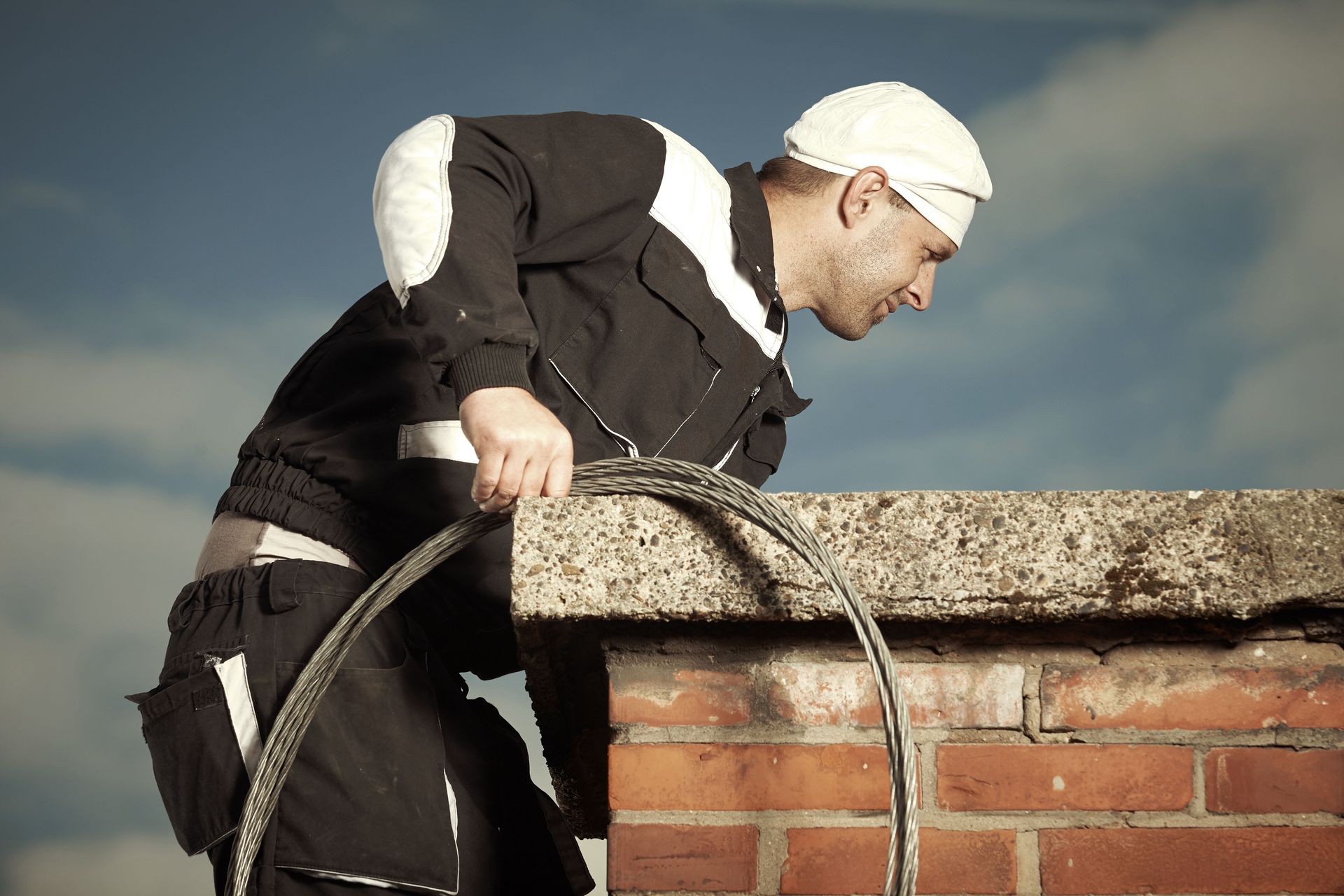
The process generally includes examining the firebox, damper, flue, and accessible chimney areas. Technicians assess the amount and type of buildup before determining the appropriate cleaning method. Specialized brushes, vacuums, and protective equipment help remove debris while limiting the spread of dust throughout the home.
Professional service can also help uncover issues that routine household cleaning cannot address. Damaged chimney liners, deteriorating masonry, blocked passages, and improperly functioning dampers may require additional attention beyond basic cleaning.
Homeowners should explain how often the fireplace is used, what fuel it burns, and whether they have noticed unusual odors or smoke. Sharing these details helps the technician evaluate potential concerns and determine which maintenance steps are appropriate.
Protecting Fireplace Components From Long-Term Damage
A fireplace and chimney are exposed to repeated heating and cooling, combustion byproducts, and changing weather conditions. Over time, these factors can contribute to wear, moisture damage, and deterioration. Consistent maintenance helps homeowners identify problems before they become major issues, while repairs may still be manageable.
Creosote deposits can contribute to chimney fires, while moisture can weaken masonry and damage surrounding components. Cracks in bricks or mortar may allow water to enter the structure, accelerating deterioration during freeze-thaw cycles. A damaged flue or liner can also interfere with safe operation and may allow heat or combustion gases to reach areas where they do not belong.
According to This Old House, a properly maintained masonry fireplace can remain serviceable for more than 100 years. Longevity depends on construction quality, environmental conditions, usage, and timely repairs, so regular care is essential for protecting the structure.
Homeowners can also support long-term performance by using suitable, seasoned firewood, operating the fireplace according to the manufacturer's guidance, and promptly addressing signs of water intrusion. Professional evaluations help determine whether cleaning is sufficient or whether repairs are necessary to preserve the fireplace.
Regular fireplace cleaning also helps prevent soot and creosote from accumulating to levels that may threaten the chimney's condition. By scheduling professional maintenance and addressing minor damage promptly, homeowners can reduce unnecessary strain on fireplace components and avoid more extensive restoration work. These preventive steps help preserve structural integrity, maintain dependable operation, and protect the investment in a home's hearth over time.
Maintaining a Cleaner and Safer Hearth Between Visits
Professional maintenance is important, but homeowners can take practical steps between appointments to keep the hearth tidy and reduce avoidable problems. Simple habits also make it easier to notice changes that may require attention.
Consider these fireplace care practices:
- Allow ashes to cool completely before removing them, and place them in a covered metal container away from combustible materials.
- Keep furniture, decorations, and other flammable objects at a safe distance from the fireplace opening.
- Use seasoned firewood in wood-burning fireplaces to help reduce excessive smoke and creosote formation.
- Avoid burning household rubbish, treated wood, or other materials that may release harmful substances or leave unwanted deposits.
- Keep the area around the hearth free of clutter and inspect visible components for signs of damage.
- Use properly installed smoke and carbon monoxide alarms, and test them according to the manufacturer's instructions.
These habits support a safer environment, but they do not replace professional inspections or chimney cleaning. Even a fireplace that appears clean from the living room may have hidden deposits or damage inside the flue.
Scheduling Professional Service for Lasting Fireplace Performance
The appropriate maintenance schedule depends on fireplace type, frequency of use, fuel, and the condition of the chimney. The National Fire Protection Association recommends that chimneys, fireplaces, and vents be inspected at least once a year and cleaned, maintained, or repaired as needed. Regular inspections help identify changes that may not be visible during everyday use.
Scheduling fireplace cleaning before the colder months can help homeowners prepare for increased use. However, households that burn wood frequently may need more frequent attention, depending on how quickly deposits accumulate. Waiting until smoke problems or strong odors appear can allow an existing issue to persist longer than necessary.
A professional can explain the fireplace's current condition, identify any recommended repairs, and outline a maintenance plan based on the home's needs. Keeping records of inspections and completed work also makes it easier to monitor recurring concerns and plan for future upkeep.
Keep Your Hearth Safe With Professional Care
A well-maintained fireplace provides more than seasonal comfort. It can support safer operation, reduce the risk of preventable damage, and help preserve the home's heating feature for years to come. By recognizing warning signs, following sensible daily practices, and scheduling regular professional evaluations, homeowners can protect both their hearth and the surrounding property.
For dependable fireplace cleaning, inspections, and chimney maintenance, contact Chimney USA Inc. to discuss your fireplace's needs and help keep your hearth clean, safe, and ready for the seasons ahead.