November 23, 2026
A fireplace can appear clean from the living room while deposits build up inside the flue. Each wood fire produces combustion byproducts, and outdoor debris can enter the chimney between uses. Unchecked materials can obstruct ventilation or increase fire risk. Understanding what cleaning removes helps homeowners recognize the value of routine maintenance and the limits of a standard appointment.
A qualified chimney cleaning company evaluates the condition of the system before choosing suitable tools. Cleaning addresses deposits and certain obstructions, but a damaged liner, leaking masonry, or an improperly functioning appliance may require separate work.
Understand How Creosote Forms Inside the Flue
Creosote develops when smoke and other combustion gases cool and condense along the chimney's interior. Deposits range from loose, flaky material to sticky residue and hard, glossy buildup. Deposits vary with fuel moisture, burning habits, and venting conditions.
Because creosote is combustible, allowing substantial deposits to remain increases chimney-fire risk. Standard sweeping brushes can remove ordinary deposits, while hardened or glazed material may require specialized methods and further evaluation. A professional should identify the buildup rather than assume that one cleaning technique works for every chimney. Burning seasoned wood and operating the fireplace properly can help limit future accumulation, although they do not eliminate the need for inspections.
Remove Soot Without Spreading It Indoors
Soot consists of fine particles left by incomplete combustion. It can collect on flue surfaces, in smoke chambers, and around accessible fireplace components. When disturbed, the powdery material can become airborne and soil nearby furnishings. Buildup may also warrant checking combustion and draft.
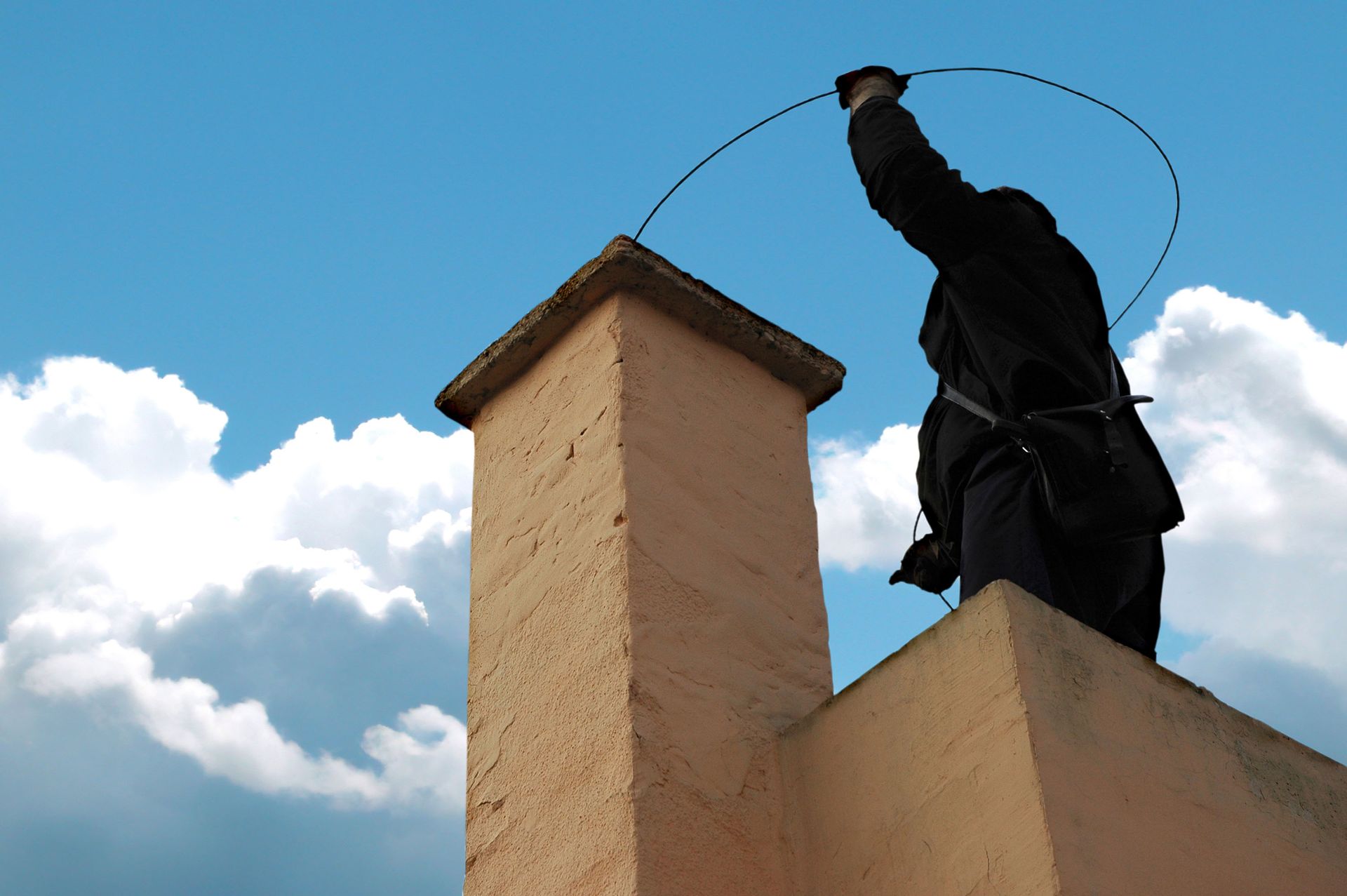
A chimney cleaning company generally uses appropriate brushes and specialized vacuum equipment to capture loosened deposits. Protective coverings help keep work areas tidy. This controlled approach matters because sweeping without suitable containment can move soot from the chimney into the home. Removing soot reduces buildup, but it does not correct a damaged flue or guarantee that a fireplace will vent correctly under every condition.
Clear Loose Ash and Fireplace Residue
Wood fires leave ash in the firebox, where it can accumulate over repeated uses. Excessive ash can interfere with the space available for new fires and complicate routine fireplace care. Ash can settle on ledges and other accessible surfaces.
Firebox ash removal and flue sweeping are related but distinct tasks. Homeowners should ask what their scheduled service includes rather than assume every component will be cleaned. Never place hot or potentially live ashes in household trash. Allow them to cool fully and use a covered metal container kept away from combustible materials. Professionals can explain safe routine practices appropriate for the appliance.
Identify Leaves, Twigs, and Animal Obstructions
Chimneys may collect leaves, small branches, and other windblown material, especially if a cap is missing or damaged. Birds and small animals can also enter openings. Nesting material or a trapped animal may restrict the passage of combustion gases, making the problem more serious than an ordinary accumulation of soot.
Scratching, odors, or fallen debris may suggest an obstruction. If wildlife may be present, avoid lighting a fire or attempting removal with improvised tools. Some birds, including chimney swifts, are protected by law, and active nests require appropriate handling. A chimney cleaning company can assess accessible debris and advise when a wildlife professional or other specialist is needed before sweeping continues.
Address Deposits That Contribute to Unpleasant Odors
A smoky smell during warm, humid weather can come from creosote or soot left inside a chimney. Draft changes may carry those odors into the living area, even when no fire is burning. Removing deposits may reduce odors, depending on ventilation.
Not every chimney odor is a cleaning problem. Damp masonry, trapped animals, and water entering through damaged caps or flashing can produce different smells. A musty odor deserves investigation rather than repeated deodorizing. Cleaning cannot repair a roof leak or dry hidden building materials. Identifying the source first helps avoid spending money on a service that will not resolve the underlying issue.
Understand the Connection Between Cleaning and Draft
A chimney must provide a suitable route for smoke and combustion gases to leave the home. Heavy deposits or obstructions can narrow that route and interfere with draft. Symptoms may include smoke entering the room, difficulty establishing a fire, or noticeable changes in burning behavior.
These symptoms also occur when the chimney is too cold, outdoor conditions affect pressure, or the appliance and venting system are mismatched. A chimney cleaning company can remove accessible buildup and help determine whether further inspection is appropriate. Homeowners should stop using a fireplace that spills smoke into the room until the cause has been assessed. Functional carbon monoxide alarms are important, but they do not replace proper venting and maintenance.
Know What Happens During a Professional Visit
According to HomeService USA, professional chimney cleaning services generally take between 45 and 90 minutes to complete. That estimate describes a typical appointment, not a firm promise. Heavy glazed deposits, difficult access, unusual construction, or an additional inspection can extend the work.
A technician may protect the hearth area, evaluate accessible components, select brushes or other equipment suited to the flue, and collect loosened material with a filtered vacuum. The scope varies by system and service agreement. Ask beforehand whether the firebox, smoke chamber, damper, and cap are included. Afterward, request a clear explanation of what was removed and whether any conditions require attention before the next fire.
Separate Routine Cleaning From Structural Repairs
Cleaning can reveal concerns that were hidden beneath deposits, but it cannot repair cracked flue tiles, deteriorating mortar, damaged flashing, or a defective liner. These issues may allow moisture to enter or affect the safe operation of the venting system. Problems found during an inspection should be documented and evaluated on their own merits.
A chimney cleaning company may provide inspections and repairs as additional services, or recommend another qualified specialist. Homeowners should ask for findings and an explanation of proposed work before authorizing it. If a professional identifies a condition that makes the system unsafe to use, follow that guidance until appropriate repairs and any necessary verification are complete.
Build a Maintenance Routine Around Actual Use
Cleaning frequency depends on how often the fireplace operates, the fuel burned, and the deposits observed. The Chimney Safety Institute of America follows guidance calling for at least annual chimney, fireplace, and vent inspections, with cleaning and repairs performed when necessary. A lightly used fireplace still warrants inspection because deterioration or obstructions can develop between fires.
Watch for visible deposits, smoke entering the room, unusual odors, and fallen debris, and keep records of previous service. Avoid relying on chemical cleaning products as substitutes for a professional assessment. A
chimney cleaning company can recommend a maintenance schedule based on the system's condition rather than an arbitrary calendar alone.
Keep the Fireplace Ready for Safer Use
Chimney sweeping removes creosote, soot, and certain debris that can interfere with a fireplace's operation. It may also expose problems that require inspection or repair. Knowing what cleaning can and cannot accomplish helps homeowners ask useful questions, respond to warning signs, and plan maintenance without assuming that every issue has the same solution.
For homeowners in Chicago and the surrounding suburbs, Chimney USA Inc. provides chimney sweeping, cleaning, inspections, and related repair services. Contact the company to discuss the condition of your fireplace, ask what a visit includes, and arrange the service appropriate for your system.