April 10, 2026
The chimney sweep industry has experienced remarkable growth in recent years, fueled by advancements in technology, increased demand for services, and a heightened awareness of safety standards. From its historical roots to modern-day innovations, the sector has undergone a significant transformation, adapting to new market demands and technological advancements. Entrepreneurs and businesses, including many chimney contractors, now recognize the potential within this niche market, driven by both consumer interest and regulatory requirements. As we delve deeper, we will uncover the factors that continue to drive the industry's success and the implications for the future.
Historical Context of Chimney Sweeping
Early Beginnings and Evolution
The history of chimney sweeping dates back to the 16th century, when it became a necessary profession due to the increased use of fireplaces. Initially, the job was labor-intensive with minimal tools, requiring children to climb inside chimneys to clean the soot. This practice continued for centuries, with the profession evolving as fireplace technology advanced. The introduction of the chimney brush in the Victorian era marked a notable improvement, reducing reliance on child labor. As cities expanded, so did the demand for chimney sweeps and chimney contractors, and the role became integral to maintaining urban health and safety.
Over time, chimney sweeping developed from an unregulated, dangerous job to a recognized trade requiring specialized skills. The establishment of trade unions and guilds provided sweeps and modern chimney contractors with greater organizational support and advocacy. As building designs and materials evolved, so did chimney designs, resulting in a more diverse and sophisticated technique for cleaning and maintenance. Despite the improvements, health risks persisted, eventually leading to the emergence of legal protections and training requirements during the 20th century.
Impact of the Industrial Revolution
The industrial revolution had far-reaching effects on many industries, and chimney sweeping was no exception. With the rapid urbanization and expansion of industrial facilities, the reliance on coal-burning intensified, creating a greater demand for trained chimney sweeps and chimney contractors. Chimneys had to be regularly cleaned to prevent the build-up of soot and creosote, thereby reducing fire hazards in densely populated areas. This booming demand marked a pivotal point, transforming chimney sweeping from a seasonal task to a year-round necessity. Consequently, the profession began to require more structured practices and specialized equipment to meet the increased workload and complexity of industrial chimneys.
As industrial advancements progressed, the design and construction of chimneys became more sophisticated, necessitating a corresponding evolution in sweeping techniques. This era prompted the transition from manual labor to mechanical tools, significantly improving operational efficiency and safety. Many modern chimney contractors now operate with service contracts, structured pricing, and professional certifications, reflecting the trade’s professional evolution.
Legislation and Safety Regulations
As the risks associated with unswept chimneys became apparent, comprehensive legislation and safety regulations were enacted to protect both homeowners and service providers. Compliance with these policies became a hallmark of reputable chimney contractors, catalyzing industry-wide improvements in service quality and customer trust. These regulations cover aspects such as worker safety, equipment standards, and certification requirements, ensuring that all professional chimney contractors adhere to minimum service standards.
The introduction of health and safety regulations revolutionized the profession, mandating more sophisticated risk management strategies and compliance measures. These regulatory requirements promoted the adoption of safety gear and safe working practices, leading to reduced occupational hazards. Compliance with these policies became a hallmark of reputable service providers, catalyzing industry-wide improvements in service quality and customer trust. The harmonization of local, national, and international standards ensured a consistent approach to chimney sweeping, fostering innovation and investment in safer, more efficient technologies. Furthermore, the legislative framework influenced training programs, emphasizing comprehensive knowledge and technical competencies for aspiring sweeps.
Technological Advancements in Chimney Sweeping
Modern Tools and Equipment
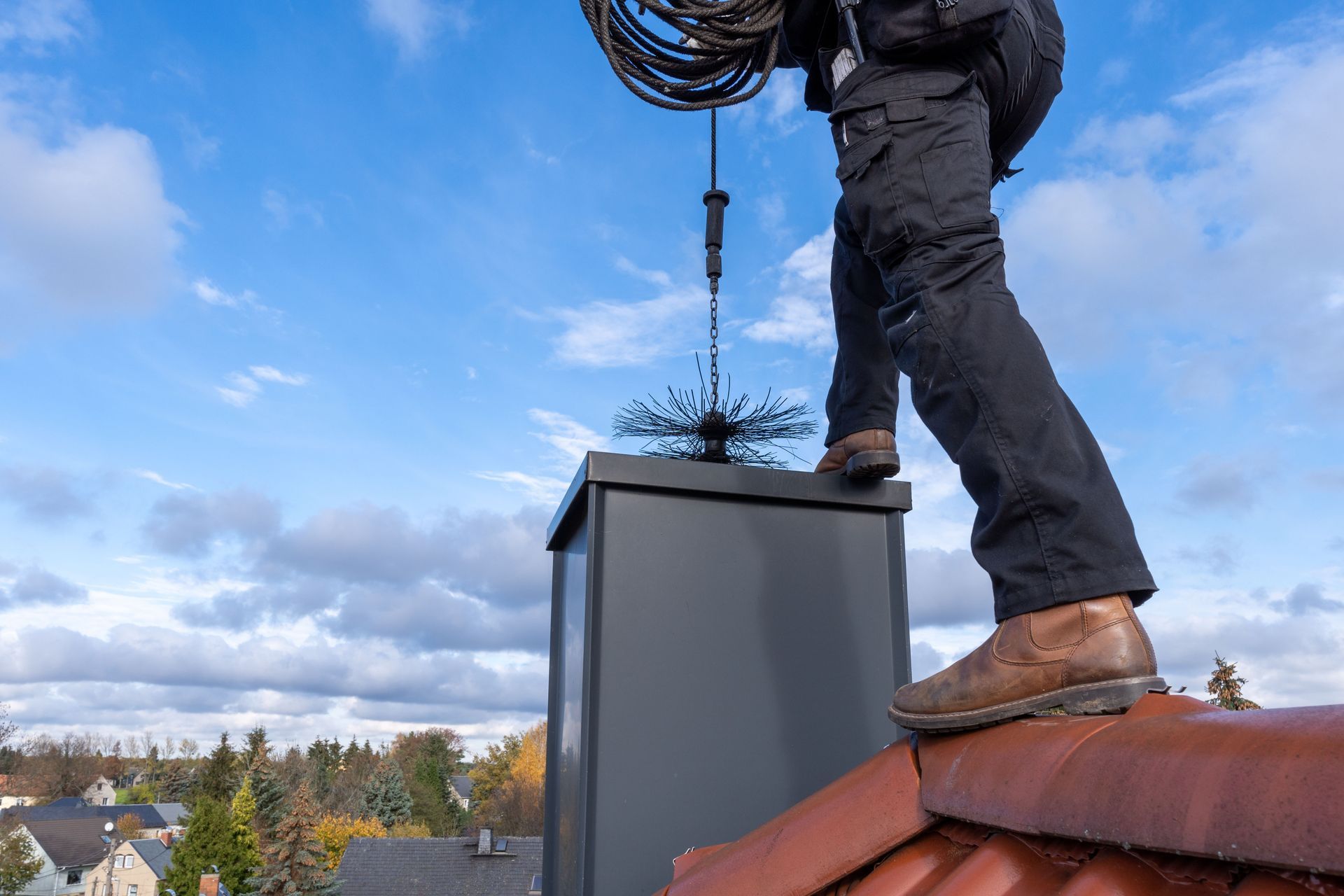
Modern tools, robotics, and software solutions have enabled chimney contractors to operate with unprecedented efficiency, precision, and safety. Engineered brushes, robotic sweepers, and inspection cameras allow these professionals to deliver consistent results while reducing occupational risks. Software platforms further streamline scheduling, diagnostics, and reporting, helping chimney contractors maintain detailed service histories and improve client satisfaction.
With the push to elevate industry standards, many companies are investing in continuous development and acquisition of next-generation equipment. This investment enables service providers to address a broader array of client needs and regulatory demands while maintaining operational efficiency. By employing advanced imaging technology, such as endoscopic cameras, sweeps can identify blockages and structural issues with unmatched accuracy. This diagnostic capability not only facilitates targeted cleaning but also provides clients with detailed insights into the condition of their chimney systems.
Role of Robotics and Automation
Robotics and automation have begun to transform the chimney sweeping industry, offering profound improvements in efficiency, accuracy, and safety. The introduction of robotic sweepers simplifies the cleaning process, particularly for complex systems or those that are difficult to access manually. Equipped with sophisticated sensors and brushes, these robots can navigate chimney flues autonomously, delivering consistent, high-quality results. This level of automation mitigates risks associated with manual entry, such as exposure to soot inhalation and physical strain, thereby enhancing workplace safety. By harnessing robotics, the industry not only improves operational efficiency but also sets new standards for quality and precision.
Automated technology is also playing an increasingly important role in inspections and diagnostics, leveraging AI algorithms to identify issues that may be missed by the human eye. These systems can generate detailed inspection reports, pinpointing potential defects or maintenance needs with precision. This technological capability enables chimney sweeps to offer proactive solutions and comprehensive maintenance plans, ultimately extending the lifespan of the chimney system. As AI and machine learning continue to evolve, their integration within the industry will drive further innovations, offering more robust predictive analytics and risk assessments.
Software Solutions for Efficiency
The chimney sweep industry has embraced software solutions to improve efficiency and productivity, facilitating seamless operations from scheduling to follow-up services. Appointment scheduling platforms have streamlined booking processes, allowing businesses to efficiently manage their calendars and optimize the allocation of resources. These platforms often integrate with CRM systems for comprehensive client management, enabling companies to maintain detailed service histories and personalize customer interactions. The use of software thus enhances both operational efficiency and client satisfaction, providing a robust framework for businesses to grow and thrive. Such technological integration reflects the wider trend of digital transformation across service industries.
In addition to scheduling, software solutions have transformed how chimney sweeps conduct diagnostics and reporting. Mobile apps and cloud-based platforms permit real-time data collection and analysis, offering instant access to inspection results and maintenance logs. This enables technicians to quickly identify issues, propose solutions, and compile standardized reports for clients. The capability to upload and access information from remote locations also supports field operations, reducing downtime and improving responsiveness to customer inquiries.
The chimney sweeping industry has transformed from a risky, labor-intensive trade into a modern, professional, and tech-driven service. According to DataHorizzon Research, the chimney sweeping services market was valued at approximately USD 2.1 billion in 2024 and is anticipated to reach around USD 4.3 billion by 2033, highlighting the sector’s strong growth potential. Advances in tools, robotics, and software have improved safety, efficiency, and service quality, enabling chimney contractors to deliver more reliable and thorough services. With growing awareness of safety standards and regulatory compliance, the role of professional chimney contractors is becoming increasingly critical for homeowners. As demand continues to rise, continued investment in technology, training, and innovation will help the industry address evolving challenges while maintaining high standards of service and professionalism.
Protect your home with Chimney USA Inc. Schedule your professional chimney inspection and cleaning today!